
Skip to content
  • Home | News
  • Coastal Issues
    • Sand Mining
    • Pollution
      • Plastic
      • Hydrocarbon, Waste Water and Run-off
      • Trash
    • Shoreline Erosion | Coastal Armoring + Engineering
    • Dams, Sand Supply, and Habitat Recovery
    • Beach Nourishment + Maintenance
    • Problematic Coastal Development
    • Habitats | Ecosystem Disturbance
    • Climate Change | Sea Level Rise | Ocean Acidification
    • Coastal Management | Adaptation | Policy
    • Coastal Storms | Extreme Weather
  • Beach Basics
    • Reading a Beach
    • Waves
    • Exploring Beach Sand
    • Tides
    • Cyclones | Typhoons | Hurricanes
    • Sand Dunes
    • Coral Reefs
    • Seashells
  • Coastal Care JR
  • Art + Science
  • Resources
    • Book Reviews
    • Beach Science Bibliography
    • Useful Links
  • Ask an Expert
  • About
  • Contact
  • Home | News
  • Coastal Issues
    • Sand Mining
    • Pollution
      • Plastic
      • Hydrocarbon, Waste Water and Run-off
      • Trash
    • Shoreline Erosion | Coastal Armoring + Engineering
    • Dams, Sand Supply, and Habitat Recovery
    • Beach Nourishment + Maintenance
    • Problematic Coastal Development
    • Habitats | Ecosystem Disturbance
    • Climate Change | Sea Level Rise | Ocean Acidification
    • Coastal Management | Adaptation | Policy
    • Coastal Storms | Extreme Weather
  • Beach Basics
    • Reading a Beach
    • Waves
    • Exploring Beach Sand
    • Tides
    • Cyclones | Typhoons | Hurricanes
    • Sand Dunes
    • Coral Reefs
    • Seashells
  • Coastal Care JR
  • Art + Science
  • Resources
    • Book Reviews
    • Beach Science Bibliography
    • Useful Links
  • Ask an Expert
  • About
  • Contact

Tag: North Carolina

Shifting Sands: Carolina’s Outer Banks Face a Precarious Future – Yale Environment 360
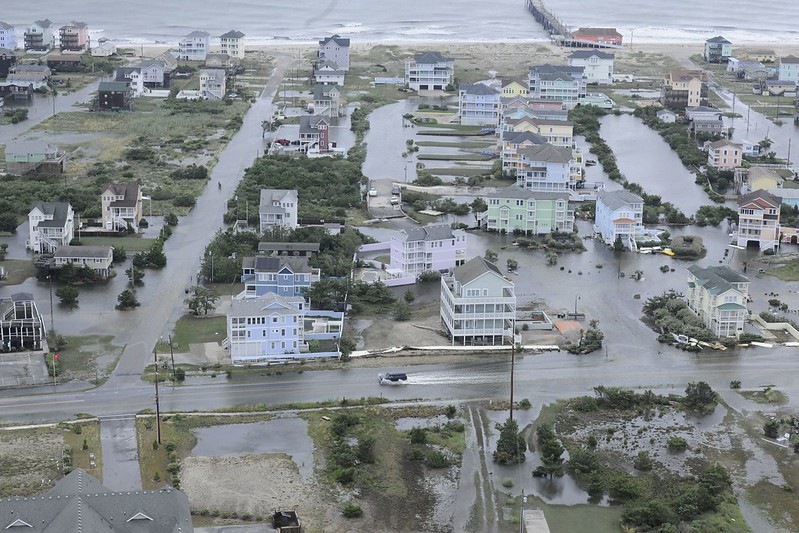
Flooding caused by Hurricane Arthur on the Outer Banks of North Carolina, July 4, 2014 (by Petty Officer 3rd Class David Weydert CC BY-NC-ND 2.0via Flickr).

Cottages have been tumbling into the ocean for as long as humans have been building along the Outer Banks. The difference now is that they appear to be falling in at a faster rate, and scores of homes are now at risk. 

Areas of the Outer Banks have retreated over 200 feet in the last two decades and are currently losing about 13 feet a year…

North Carolina’s Legislation on Hardened Structures Reconsidered
North Carolina Legislation

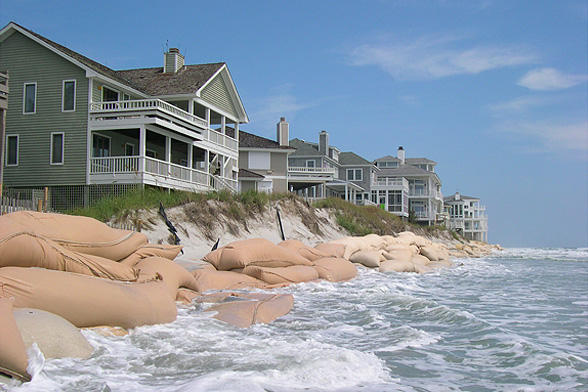
North Carolina law has prohibited hardened structures on its beaches and inlets for more than two decades.

Erosion and Sea Level Rise on North Topsail Beach
Erosion and Sea Level Rise on North Topsail Beach, North Carolina

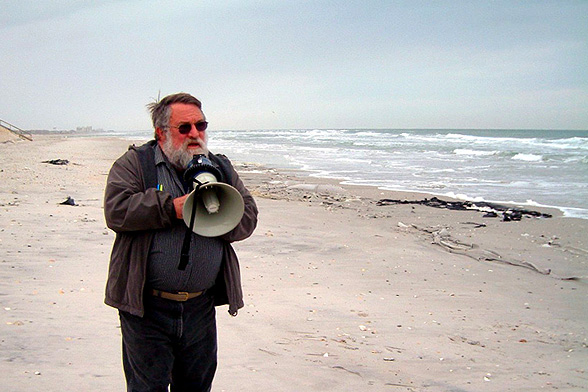
Orrin H. Pilkey and area locals offer their perspective on North Topsail Beach, North Carolina.

North Carolina: A Journey on the Coast
Journey on the coast, North Carolina

This film explores the issues of the North Carolina coast through interviews with coastal experts and visits to numerous sites along the NC coast.

North Carolina: The Beaches Are Moving
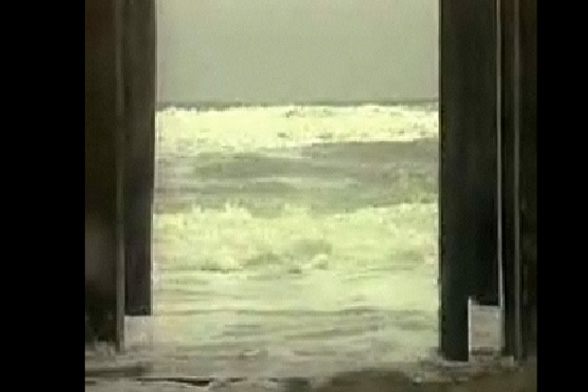
The Beaches are Moving

World famous coastal geologist Orrin H. Pilkey takes us to the beach and explains why erosion has become a problem.

South Nags Head, North Carolina; By Orrin H. Pilkey, Norma Longo & Joseph T. Kelly
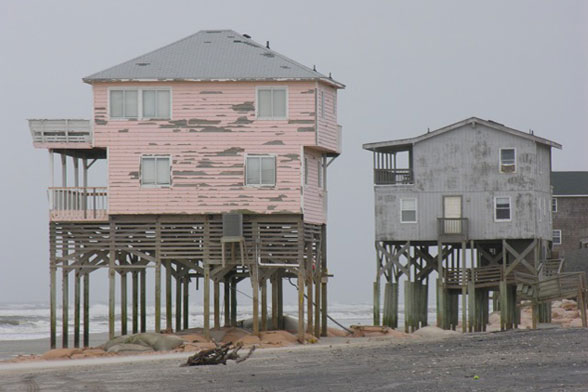
Rising ocean and shoreline erosion at South Nags Head, North Carolina (Photo © Orrin Pilkey & Norma Longo)

South Nags Head, North Carolina, is a 5 mile long, 200 meter wide, strip of beach cottage development at the south end of town of Nags Head.

← Previous
  • Home | News
  • FAQ
  • Privacy Policy
  • Legal Notice
  • Archived Menu
  • Contact
  • Home | News
  • FAQ
  • Privacy Policy
  • Legal Notice
  • Archived Menu
  • Contact
Instagram Facebook Twitter

© 2010 – 2024 CoastalCare.org