
Desperate Need to Halt ‘World’s Largest Killer’: Pollution

Now that the lights of the UN climate change summit’s meeting rooms having been turned off in Bonn, after a week of intense negotiations and some partial results, another major environmental event is now schedule in Nairobi, this time to search for ways to halt the world’s major killer: pollution.
Plastics found in stomachs of deepest sea creatures
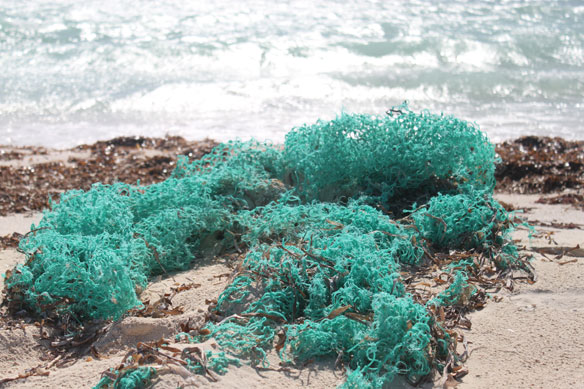
The study, led by academics at Newcastle University, found animals from trenches across the Pacific Ocean were contaminated with fibres that probably originated from plastic bottles, packaging and synthetic clothes.
This Mumbai lawyer inspired a massive beach cleanup
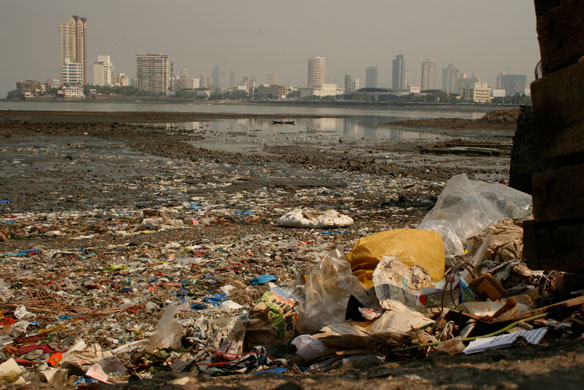
Since Oct. 2015, Afroz Shah, a constitutional lawyer and a full time “ocean lover and a beach cleaner,” has been clearing trash for four hours every weekend in what the United Nations has called the world’s biggest beach clean up ever. His efforts have inspired others.
Dramatic rise in plastic seabed litter around UK
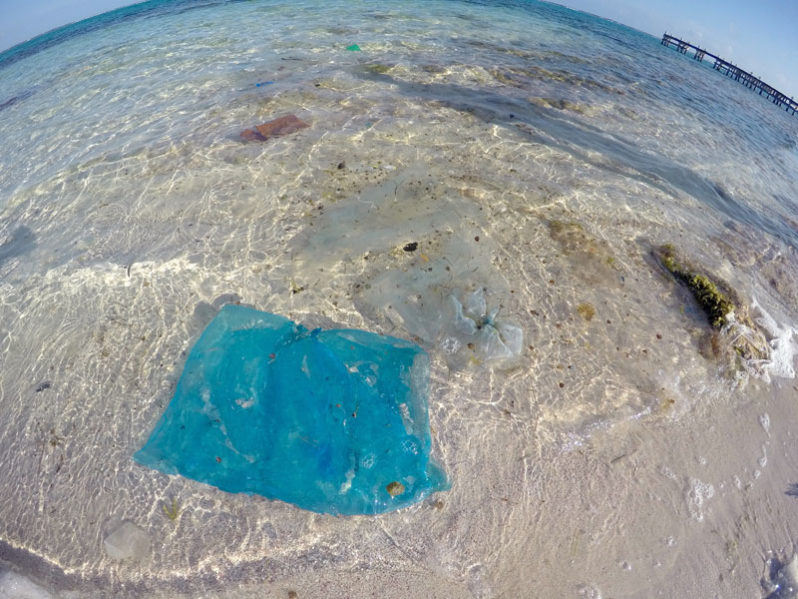
An average of 358 litter items were found per square kilometre of seabed in 2016, a 158% rise on the previous year, and 222% higher than the average for 1992-94. Almost 78% of the litter is plastic.
Taste, not appearance, drives corals to eat plastics
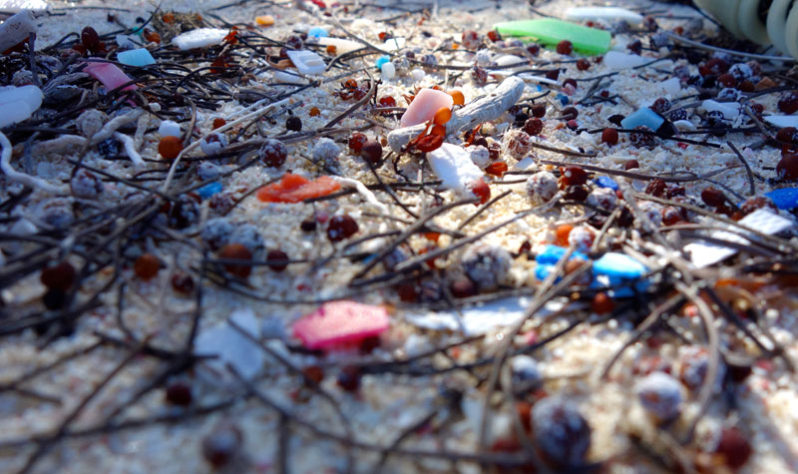
Scientists have long known that marine animals mistakenly eat plastic debris because the tiny bits of floating plastic might look like prey. But a new Duke University study of plastic ingestion by corals suggests there may be an additional reason for the potentially harmful behavior.
Once-pristine Arctic choking on our plastic addiction
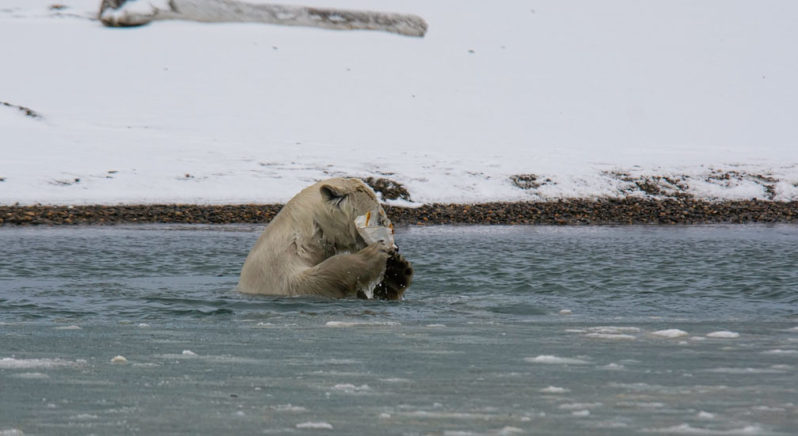
Earlier this year a global team of scientists sounded another alarm, revealing what they called the next major threat to the polar bears’ Arctic habitat: plastic.
Microplastics in the Baltic have not risen for 30 years
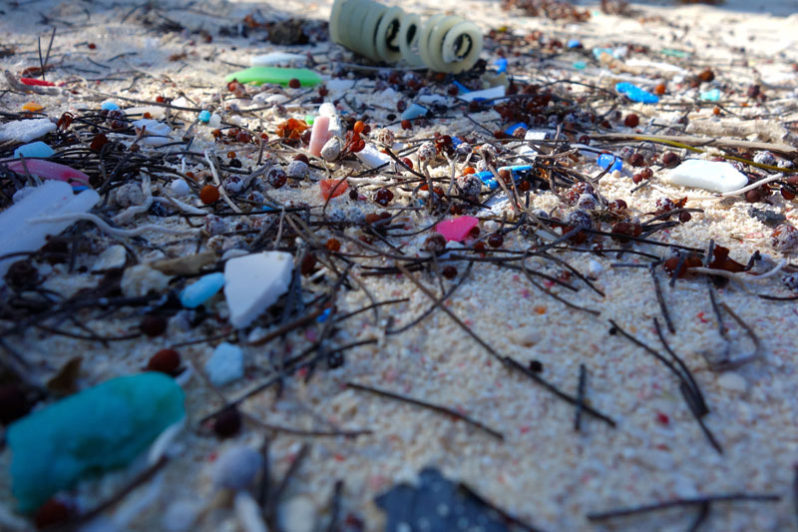
The concentration of microplastics in water and fish from the Baltic Sea has been constant for the past 30 years, despite a substantial increase in plastic production during the same period, report investigators.
Brain damage in fish from plastic nanoparticles in water
A new study shows that plastic particles in water may end up inside fish brains. The plastic can cause brain damage, which is the likely cause of behavioral disorders observed in the fish.
Sea salt around the world is contaminated by plastic, studies show
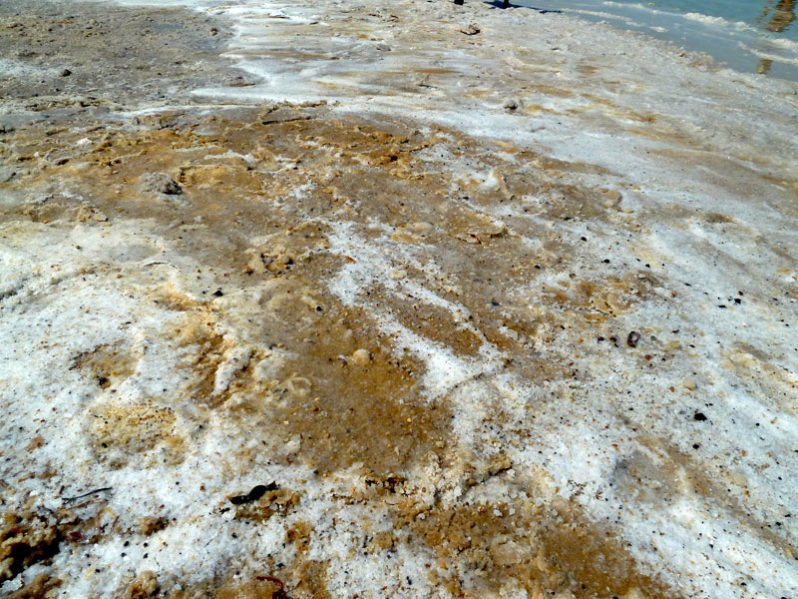
New studies find microplastics in salt from the US, Europe and China, adding to evidence that plastic pollution is pervasive in the environment.