
Plastic now pollutes every corner of Earth
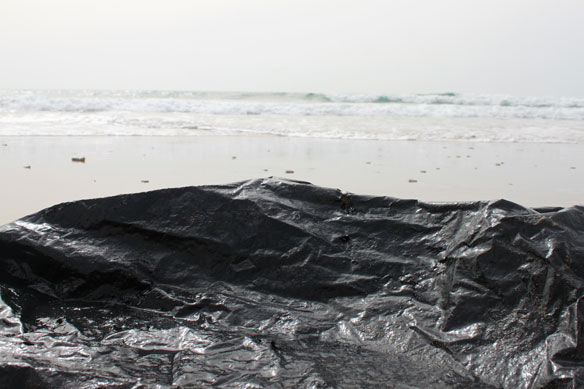
Humans have made enough plastic since the second world war to coat the Earth entirely in clingfilm, an international study has revealed.
From oil use to ocean pollution: five facts about the plastics industry

The world of plastics is in drastic need of reform. A new report released at Davos highlights some startling facts about the huge environmental and resource impacts of a fast growing plastics industry.
Ocean trash becomes photographer’s artistic statement
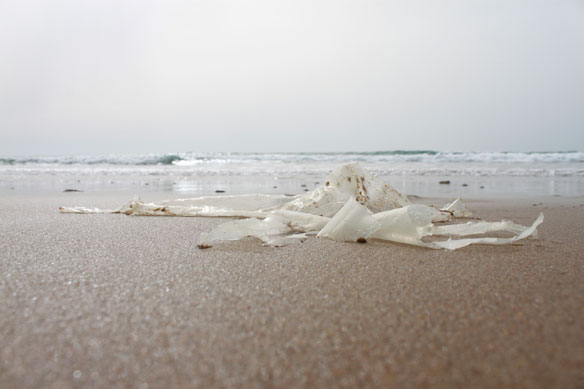
Photographer Barry Rosenthal has found a unique way to tell the story of the damage humans are doing to the Earth’s oceans — by collecting thousands of pieces of trash scooped from the coastal areas of New York harbor and arranging them into intriguing works of fine art for his”Found in Nature” series.
To clean up ocean plastics, increase focus on coasts
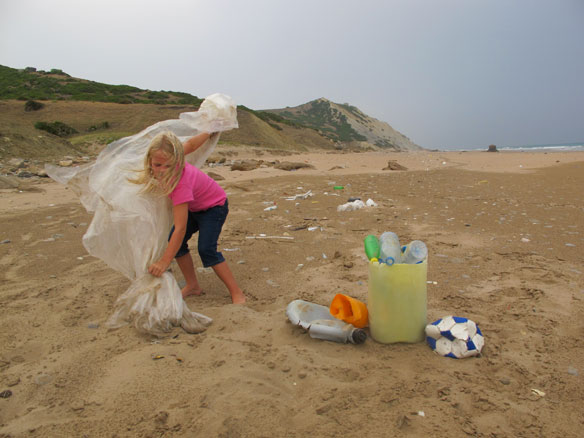
The most efficient way to clean up ocean plastics and avoid harming ecosystems is to place plastic collectors near coasts, according to a new study.
More plastic than fish in the sea by 2050
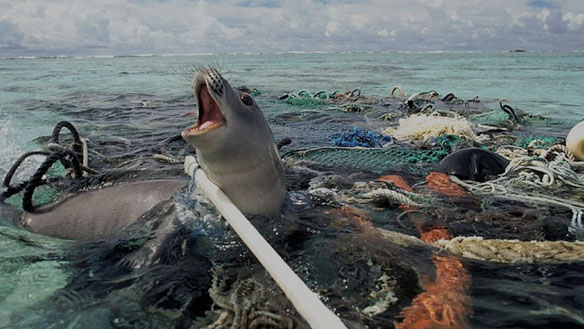
One refuse truck’s-worth of plastic is dumped into the sea every minute, and the situation is getting worse, according to a new report launched at the World Economic Forum today. New plastics will consume 20% of all oil production within 35 years, up from an estimated 5% today.
Microbead-Free Waters Act a common-sense law, winning industry support
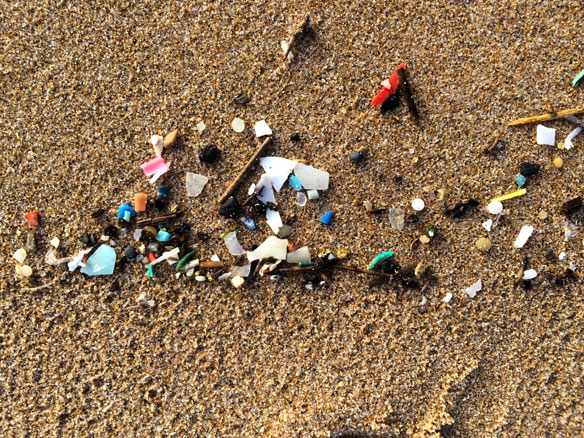
President Barack Obama last week signed the law, which bans personal-care products from containing microbeads and aims to help remove plastic pollution from lakes, rivers and the oceans. The plastics industry says it supports the new law that phases out plastic microbeads starting in 2017.
The Ocean Is Contaminated by Trillions More Pieces of Plastic Than Thought
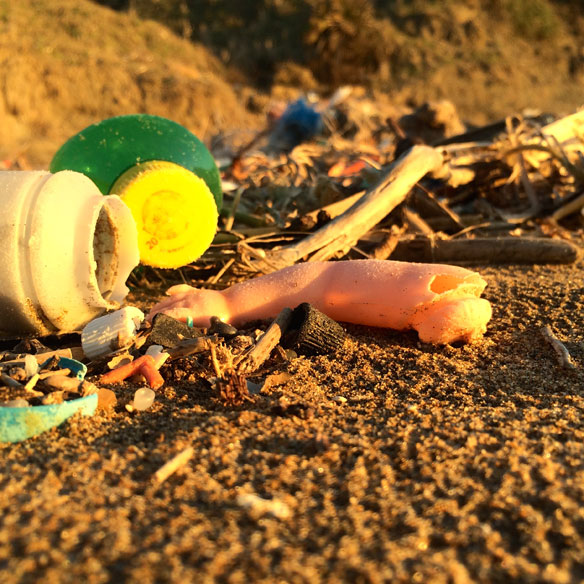
A new study suggests there are 15 to 51 trillion micro plastic particles (those less than 200 millimeters in size) in the world’s oceans, weighing between 93 and 236,000 metric tons. This is about seven times more than scientists had previously estimated.
Even the tiniest plastics found in the sea with new technology

Studies have estimated that each year between 4 and 12 million tonnes of plastics end up in the sea, and that the figure is expected to double over the next ten years. But we have only begun to learn what happens with the plastics afterwards. Scientists have now developed a method that can measure the microplastics that other methods overlook.
Biodegradable Plastics Are Not the Answer to Reducing Marine Litter, Says UN
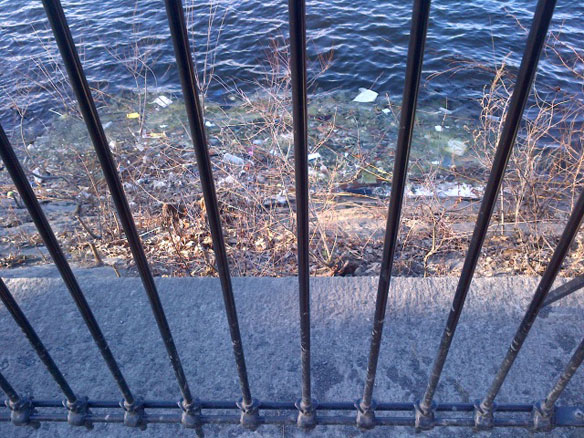
Widespread adoption of products labelled ‘biodegradable’ will not significantly decrease the volume of plastic entering the ocean or the physical and chemical risks that plastics pose to marine environment, concluded a UN report released today.