
Add sand, lose sand, repeat. The climate conundrum for beaches – E&E News
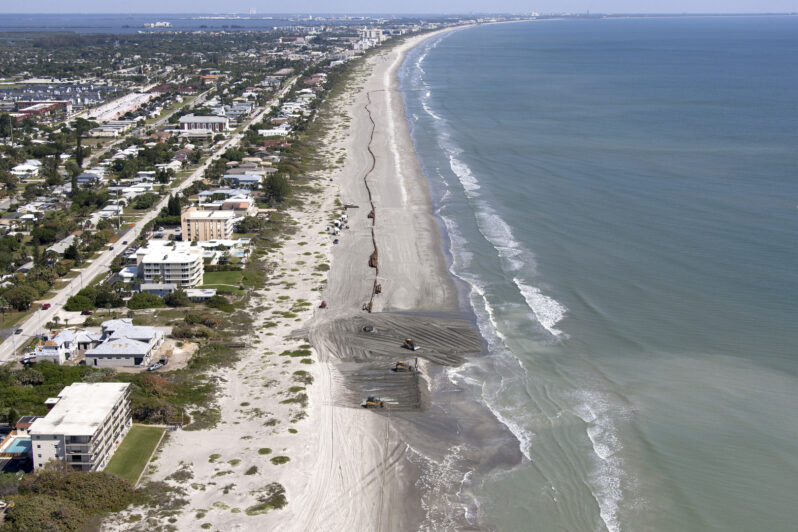
Rebuilding beaches after hurricanes is costing U.S. taxpayers billions of dollars more than expected as the Army Corps of Engineers pumps mountains of sand onto storm-obliterated shorelines…
A Massachusetts town spent $600K on shore protection. A winter storm washed it away days later – the Washington Post
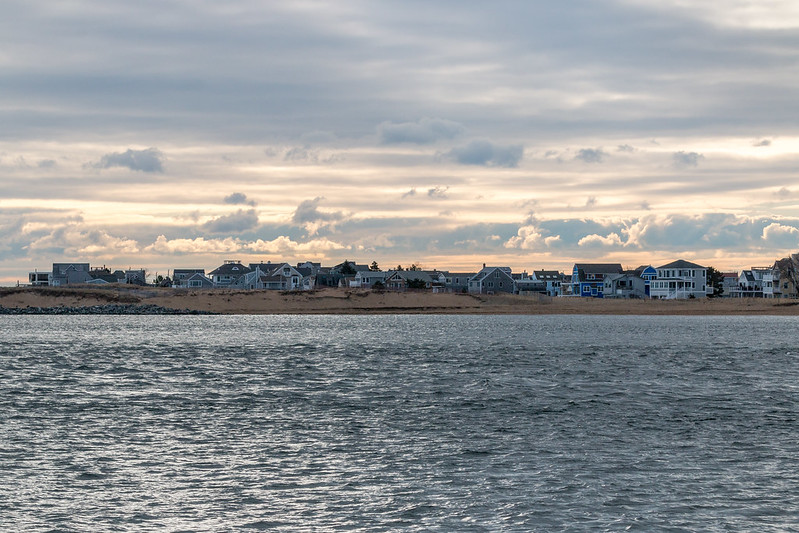
A Massachusetts beach community is scrambling after a weekend storm washed away $600,000 in sand that was trucked in to protect homes, roads and other infrastructure…
Why Oak Island is looking 18 miles off its coast for sand to nourish its eroded beach – Wilmington StarNews Online
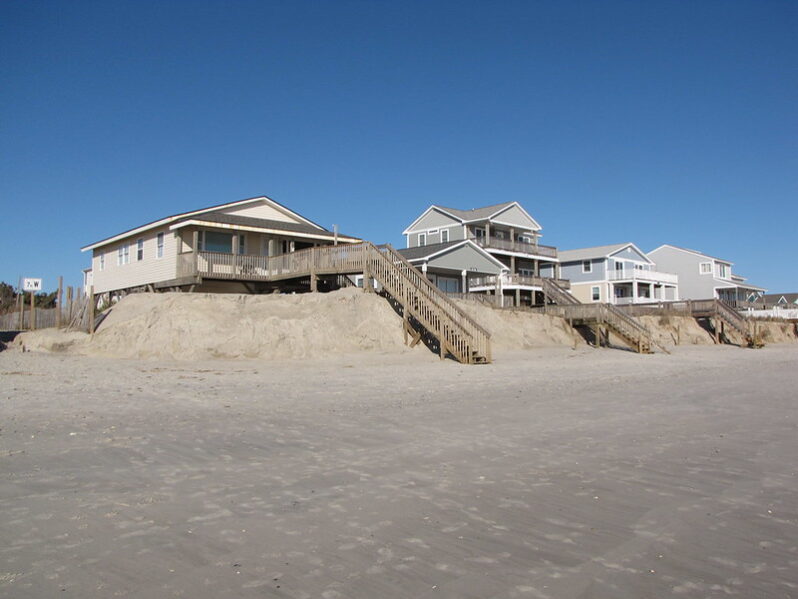
Faced with an eroding beach, Oak Island wants to pump fresh sand onto its oceanfront. But finding a viable sand source might mean going a long way offshore…
Hurricane Idalia shows nature may provide the best shoreline protection – NPR
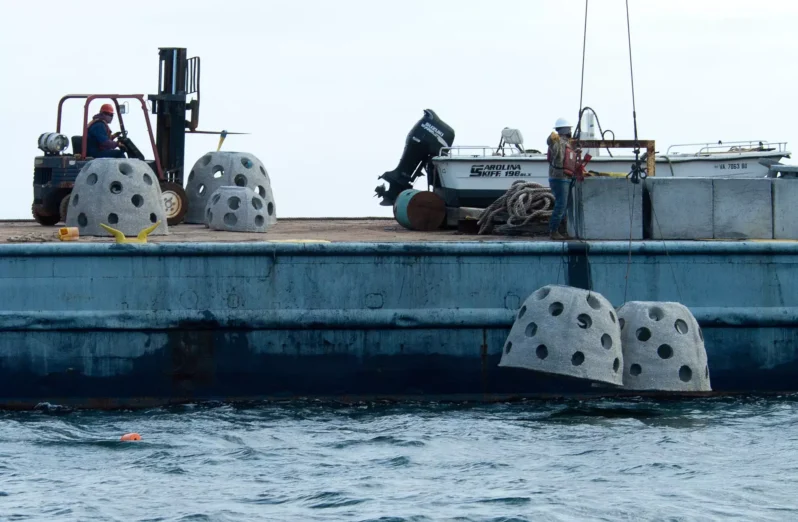
When Hurricane Idalia slammed into Florida’s Gulf Coast in August (2023), one of the hardest hit areas was Cedar Key. A nearly 7-foot storm surge battered the small fishing community…(NOAA) says Idalia caused an estimated $3.6 billion in damage…But on Cedar Key, when the water receded, scientists found some good news amid all the damage. Nature-based “living shoreline” projects built to protect roads, buildings and other structures were relatively undamaged…
The Marshall Islands Aren’t Giving In to Sea Level Rise – Hakai Magazine
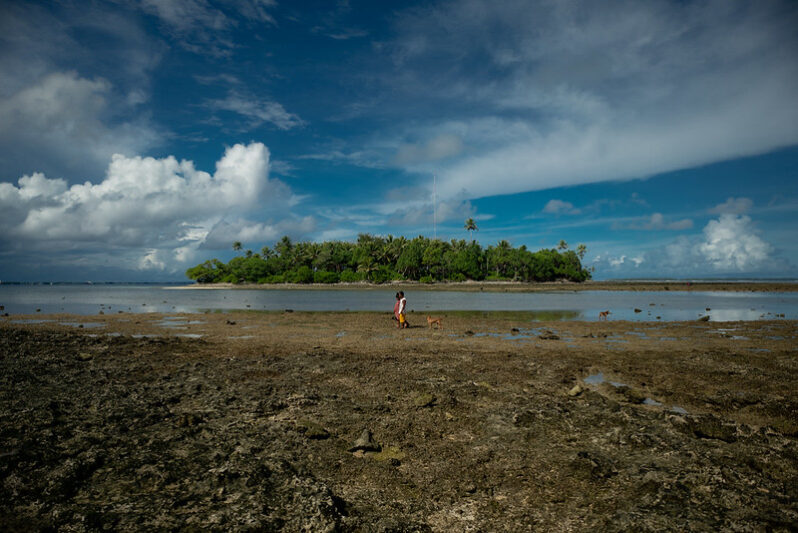
The precariously placed island nation has put together a comprehensive—if expensive—plan to survive sea level rise…
Can the ‘sand motor’ save West Africa’s eroding coast? – Grist Magazine
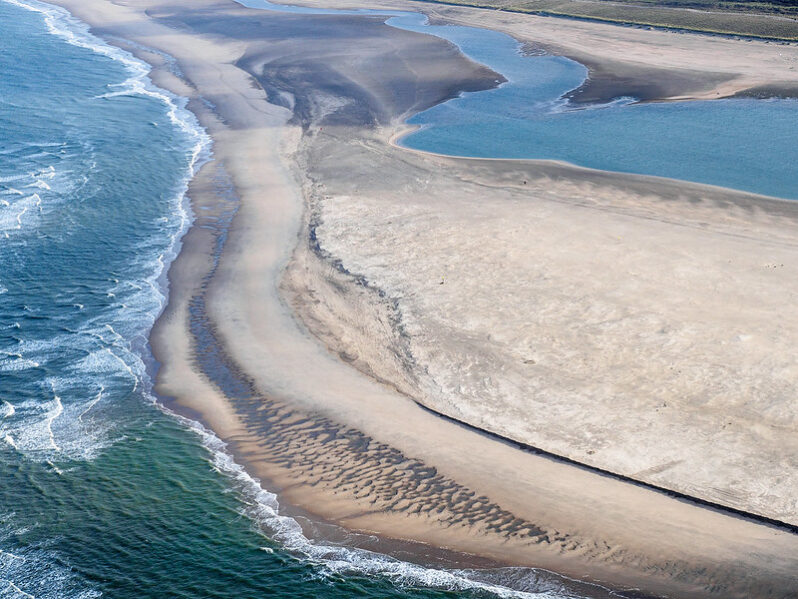
As sea levels rise, engineers are using massive Dutch-inspired sand sculptures to protect shorefront settlements…It’s called the “sand motor,” and it comes from the Netherlands, a low-lying nation with centuries of experience in coastal protection…
The World’s Fastest-Sinking Megacity Has One Last Chance to Save Itself – Bloomberg
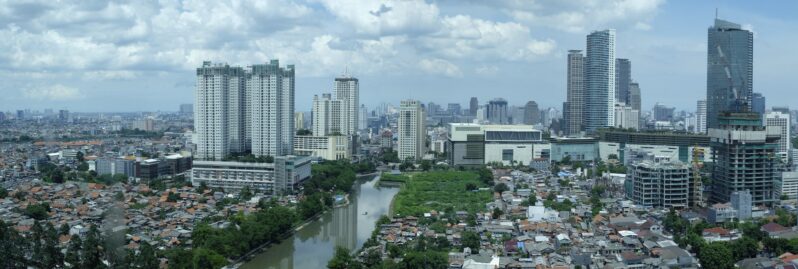
Venice is sinking. So are Rotterdam, Bangkok and New York. But no place compares to Jakarta, the fastest-sinking megacity on the planet. Over the past 25 years, the hardest-hit areas of Indonesia’s capital have subsided more than 16 feet. The city has until 2030 to figure out a solution, experts say, or it will be too late to hold back the Java Sea…
Inside the Marshall Islands’ life-or-death plan to survive climate change – Grist Magazine
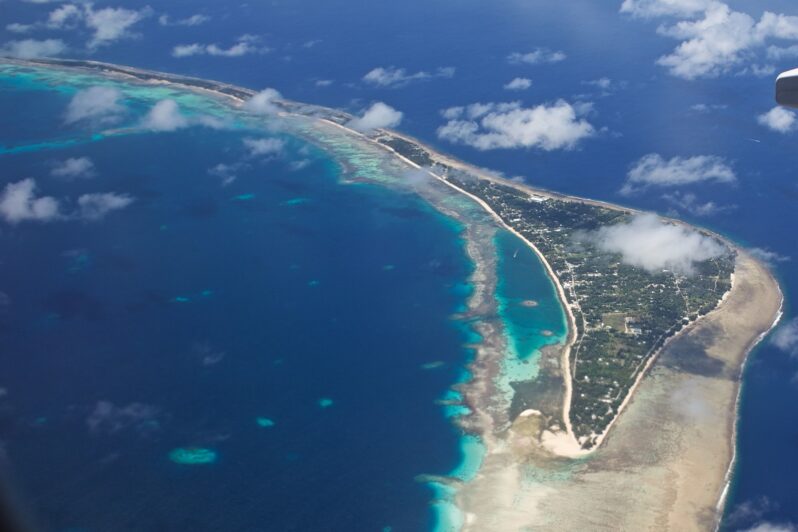
The Pacific island nation is seeking $35 billion to protect against sea-level rise and prevent a mass exodus…“We call it our national adaptation plan, but it is really our survival plan,” said John Silk, the foreign minister of the Republic of the Marshall Islands…
These Haunting Underwater Photos Portray Climate Change in a New Way – CNN Interactive

Akessa stares strait ahead with a look of fierce indignation. The 15-year-old is sitting in a rickety chair. Her hand are clasped in her lap. Her white skirt is billowing ever so slightly in what, at first glance, you might assume is the wind….There is no breeze blowing here. This girl and her searing gaze are underwater…