
One solution to the plastic crisis may lie in bugs’ bellies – the Washington Post

One way to help tackle the growing plastic pollution problem could be all around us: microscopic bacteria and fungi. A growing body of research has identified a host of microorganisms, some of which can be found in the bellies of certain larvae and other insects, that contain enzymes capable of breaking down common types of plastic..
West Antarctic ice sheet faces ‘unavoidable’ melting, a warning for sea level rise – the Washington Post
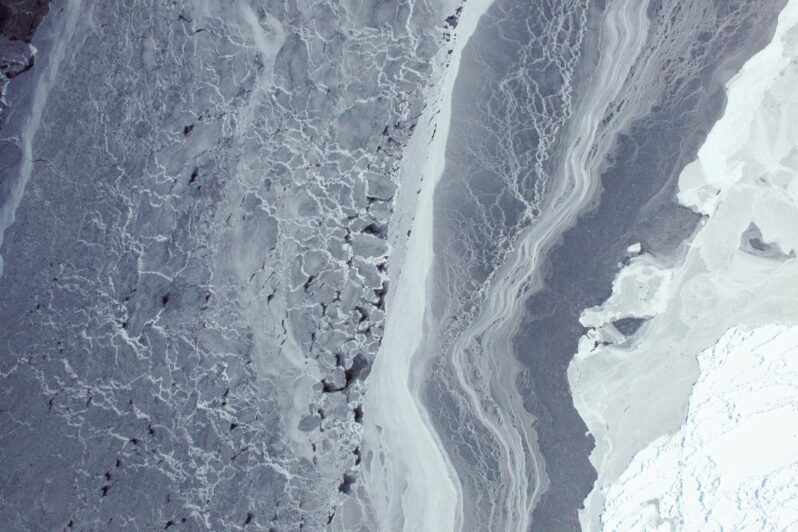
Accelerating ice losses are all but “unavoidable” this century in vulnerable West Antarctic ice shelves as waters warm around them, according to new research. And the analysis could mean scientists were too conservative in predicting about one to three feet of sea level rise by 2100…
Greenland’s ice shelves hold back sea level rise. There are just 5 left – the Washington Post
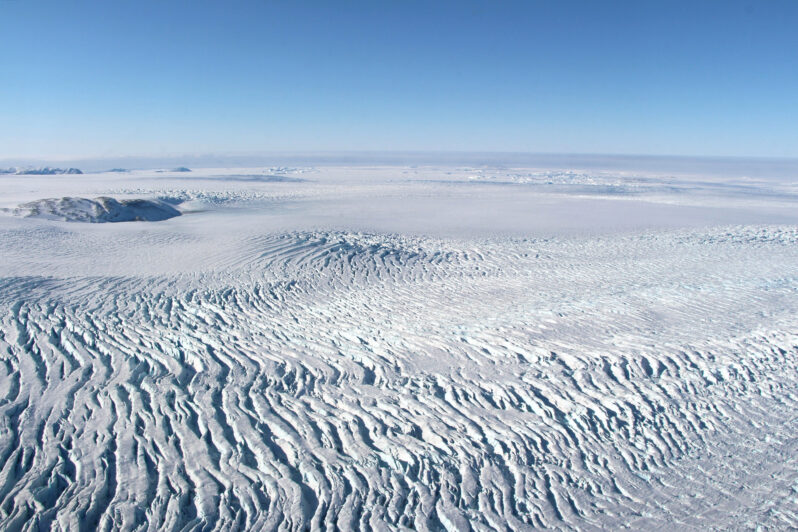
And now there are only five large shelves left, stretching out from their fjords toward the Greenland Sea and the Arctic Ocean. That includes three major ones — Petermann, Ryder and Nioghalvfjerdsbrae (often referred to as 79 North for its location in degrees latitude) — whose respective glaciers could ultimately account for 3.6 feet of sea level rise if they were to melt entirely — a process that would take centuries to play out…
September shattered global heat record — and by a record margin – the Washington Post
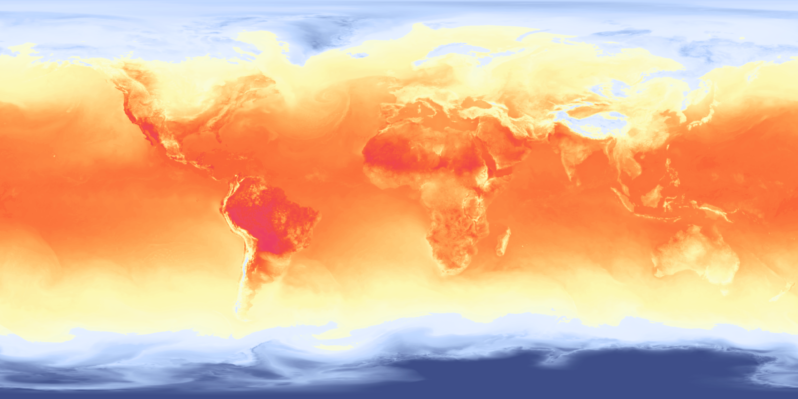
Temperatures around the world last month were at levels closer to normal for July according to separate data analyses by European and Japanese climate scientists.
September’s average temperature was nearly 1 degree Celsius (1.7 degrees Fahrenheit) above 1991-2020 levels — or about 1.7 to 1.8 degrees Celsius (3.1 to 3.2 degrees Fahrenheit) above normal from before industrialization and the widespread use of fossil fuels…
Comedians made some hilarious jokes about climate change. Were they right? – the Washington Post

Comedy is a lot like dumpster diving. You look at things in a different light than most people.
Stand-up comedians have long cast an amusing lens on our society, crafting observations about everything we might encounter, such as family, divorce, travel, a second divorce, pets and, more recently, climate change….
A First: Category 5 Storms Have Formed in Every Ocean Basin this Year – the Washington Post
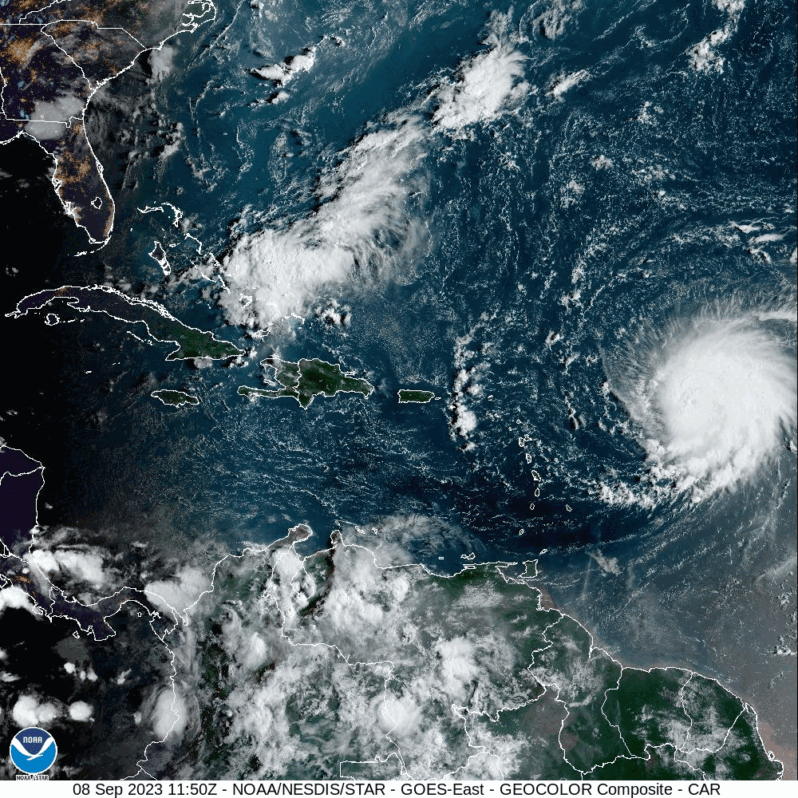
Hurricane Lee intensified with breakneck speed Thursday over record-warm Atlantic waters, its peak winds catapulting from 80 to 160 mph in just 18 hours. Lee is now a top tier Category 5 hurricane, according to the National Hurricane Center, and will probably strengthen even more…
Lee rapidly intensifies into a Category 5 hurricane over Atlantic – the Washington Post
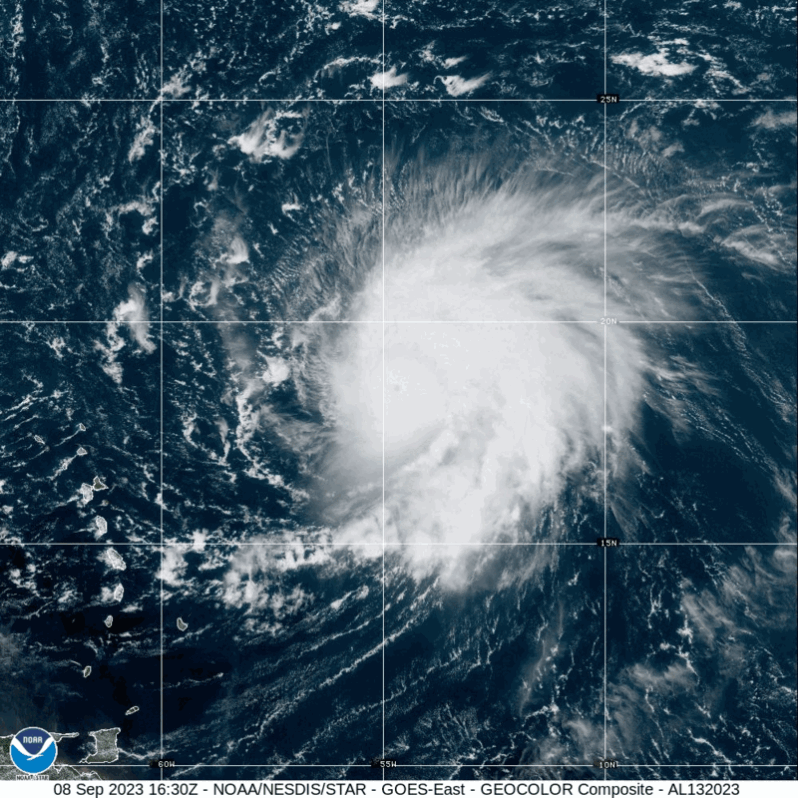
Hurricane Lee intensified with breakneck speed Thursday over record-warm Atlantic waters, its peak winds catapulting from 80 to 160 mph in just 18 hours. Lee is now a top tier Category 5 hurricane, according to the National Hurricane Center, and will probably strengthen even more…
How sea level rise made Idalia’s storm surge worse – the Washington Post
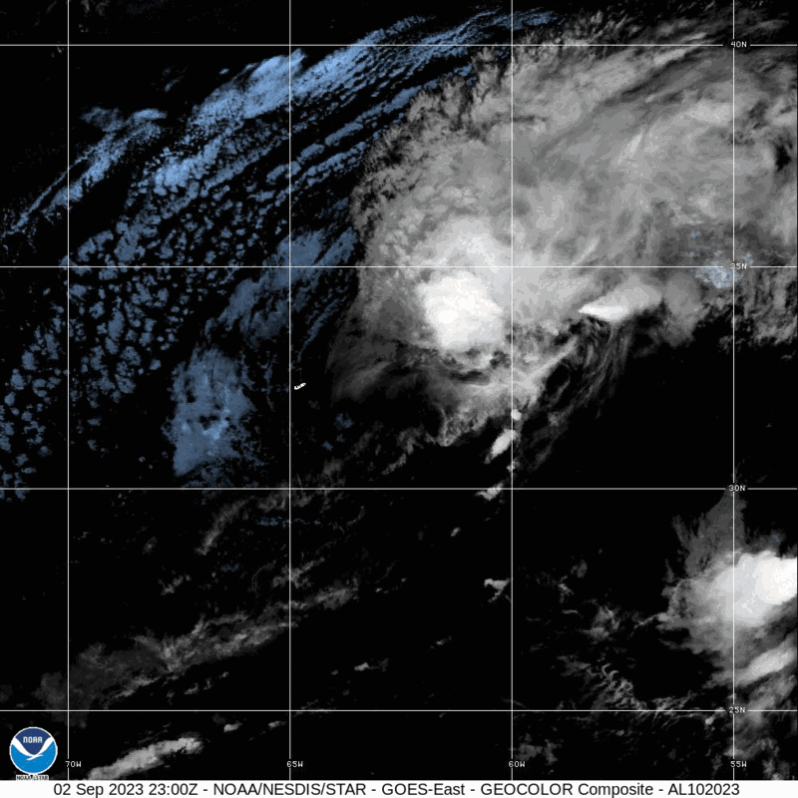
In mid-November 2021, a great storm begins brewing in the central Pacific Ocean north of Hawai‘i. Especially warm water, heated by the sun, steams off the sea surface and funnels into the sky.
A tendril of this floating moisture sweeps eastward across the ocean. It rides the winds for a day until it reaches the coasts of British Columbia and Washington State. There, the storm hits air turbulence, which pushes it into position—straight over British Columbia’s Fraser River valley….
Why a sudden surge of broken heat records is scaring scientists – the Washington Post
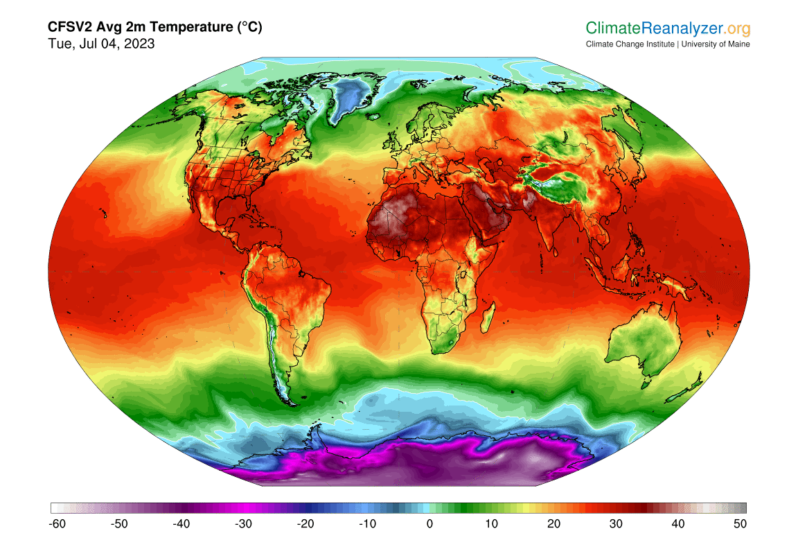
New precedents have been set in recent weeks and months, surprising some scientists with their swift evolution: historically warm oceans, with North Atlantic temperatures already nearing their typical annual peak; unparalleled low sea ice levels around Antarctica, where global warming impacts had, until now, been slower to appear; and the planet experiencing its warmest June ever charted, according to new data. And then, on Monday, came Earth’s hottest day in at least 125,000 years. Tuesday was hotter…