
Sixty-Seven Years of Oil and Gas Drilling in the Gulf of Mexico
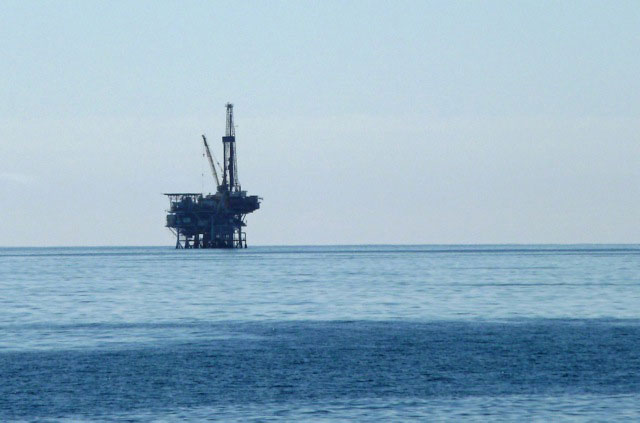
Deepwater drilling is increasing in the Gulf. Oil companies say it’s safer now, but critics say spills are inevitable.
Deepwater Disaster: Five Years On, Not Much has Changed—Including the Impulse to Drill
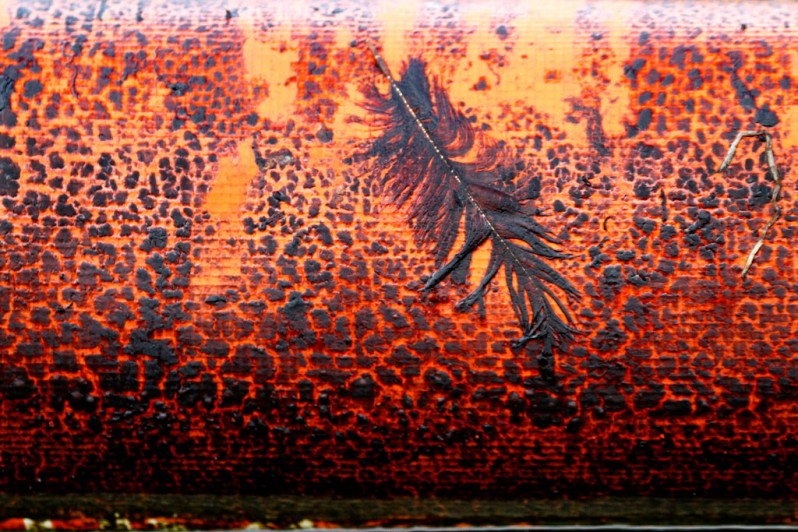
The nation’s costly and dangerous dependence on fossil fuel continues to endanger the lives of U.S. workers, the health of our waters, the lifeblood of coastal economies, and the survival of wildlife. Five years later, NRDC looks back on the people and places that endured the worst of the disaster, and whose lives continue to be harmed by its impact.
Report: Soft Sand will Eventually End Beach Driving in Volusia County, Florida
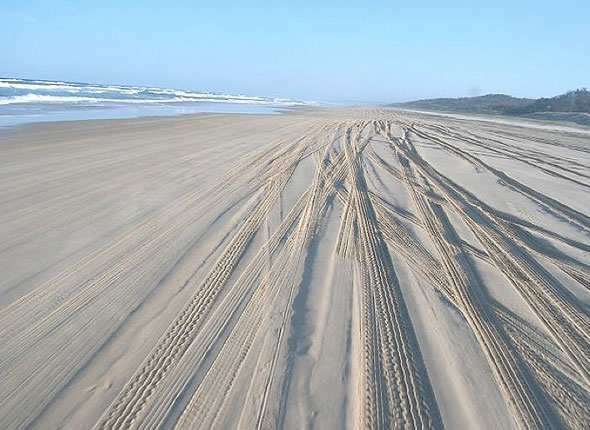
Soft sand shifting south will eventually mean cars will no longer be able to drive along the beaches in Volusia County. According to the study, ocean levels are rising every year, which means Mother Nature may eventually decide if cars should remain on the beach regardless of what the sand does. The report also states cities with limited beach driving have higher real estate values.
Tribunal Ruling Could Dent “Monster Boat” Trawling in West African Waters

In an historic ruling by the International Tribunal for the Law of the Sea, the body affirmed that “flag States” have a duty of due diligence to ensure that fishing vessels flying their flag comply with relevant laws and regulations concerning marine resources and that these vessels are not engaged in illegal, unreported or unregulated (IUU) fishing activities in the waters of member countries of West Africa’s Sub-Regional Fisheries Commission.
Ethiopian Dam Deal Ignores Science, Warn Experts
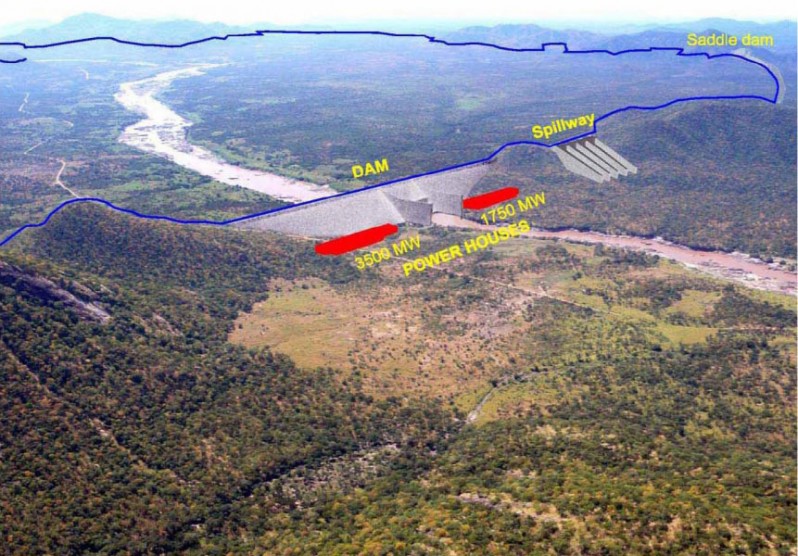
Although the Grand Ethiopian Renaissance Dam (GERD) is Africa’s biggest dam project foreseen to have lasting impacts on its longest river, the River Nile , the GERD has been developed under a veil of secrecy. The dam will impact Ethiopians and downstream neighbors. Water scientists from Egypt — the last country to benefit from the Nile before it flows into the Mediterranean Sea —fear for the security of freshwater supply.
Climate Change Hits Sea Lions in the Santa Barbara Channel
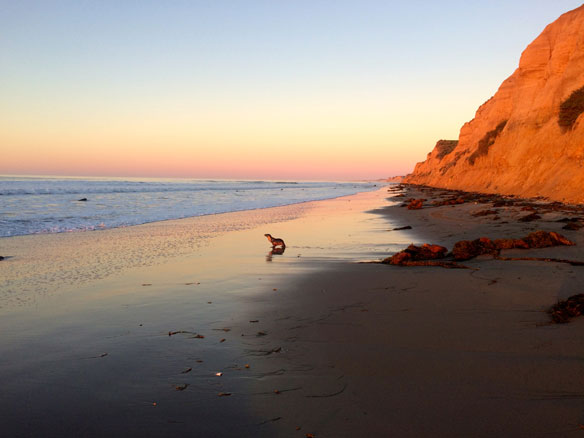
According to the most recent count prepared by NOAA, 2,460 stranded sea lions have been scooped off California beaches during the first three and a half months of 2015. Santa Barbara beaches have been hit especially hard. Given that California’s two main sea lion rookeries are located just off Santa Barbara’s coast — San Miguel and San Nicolas islands — that’s not surprising.
Warm Water and Strange Weather May Be Connected
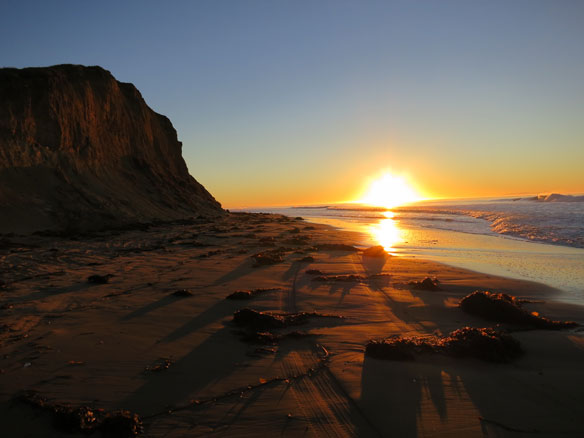
The weather in North America, particularly in winter, has been unusually extreme for much of the past two years. The causes are complex and have provoked lively discussion in the scientific community. One thing is clear: the eastern Pacific Ocean has been warmer than normal since the winter of 2013–2014.
Norway Approves Mine’s Controversial Plan to Dump Waste into Fjord
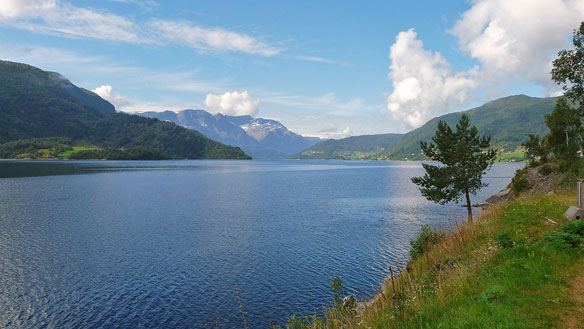
Environmentalists promised protests after Norway’s government approved a controversial plan for a mining company to dump millions of tonnes of waste into a fjord.
2015 Already Setting Heat Records
The first three months of 2015 set new global heat records, government officials announced today (April 17).