
What was natural in the coastal oceans?
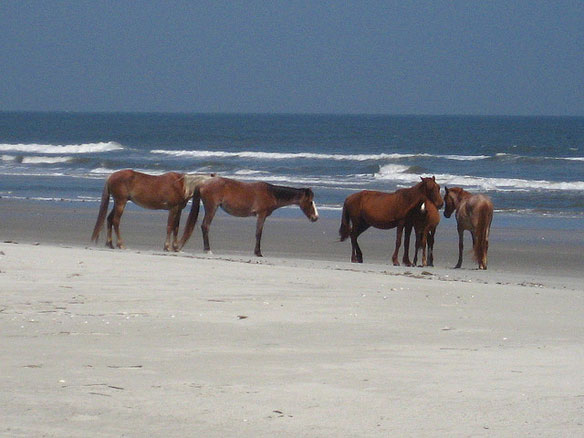
Humans transformed Western Atlantic coastal marine ecosystems before modern ecological investigations began. The universal pattern of losses demonstrates that no coastal ecosystem is pristine and few wild fisheries are sustainable along the entire Western Atlantic coast.
Wild Boar Deaths linked to Green Algae: Confirmed
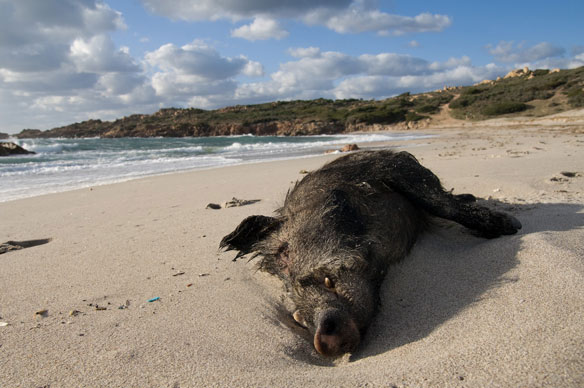
First tests on wild boars washed up on Brittany’s beaches, showed that all but one, had hydrogen sulphide gas (emitted by rotting green algae) in their lungs. Test results on the remaining boars haven’t been released yet.
US opens ways for Shell drilling in Arctic Ocean
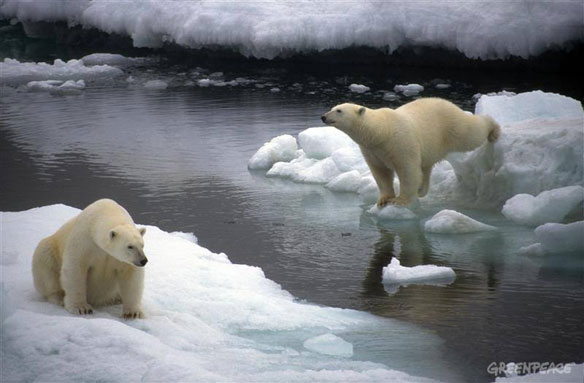
The US Interior Department has opened the doors to Shell’s proposal for four shallow water exploration wells in Alaska’s Beaufort Sea to start in July 2012.
Green Algae Chokes Eastern China’s Beaches
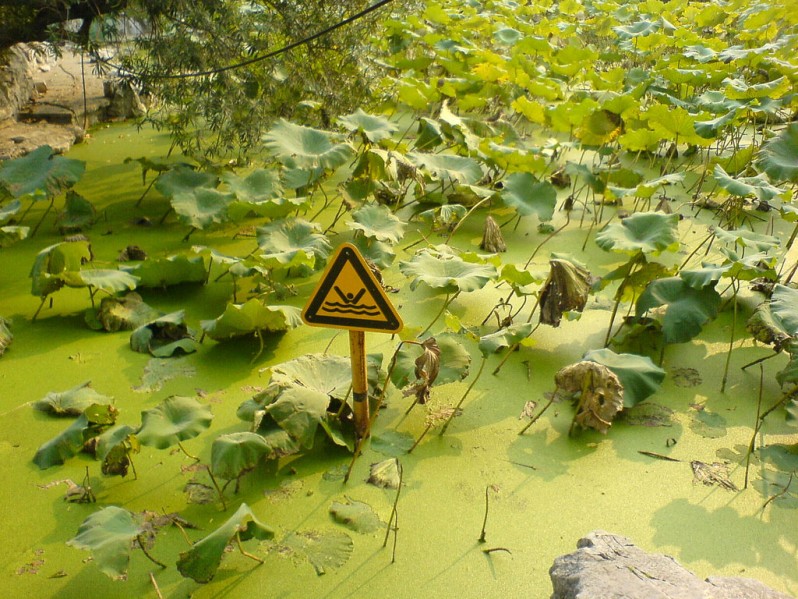
In Qingdoo, Shandong Eastern Province of China, the coastal waters are covered with algae called enteromorpha prolifera. Though this green algae is not poisonous per se, it consumes large amounts of oxygen that can threaten marine life.
Sediment In Motion
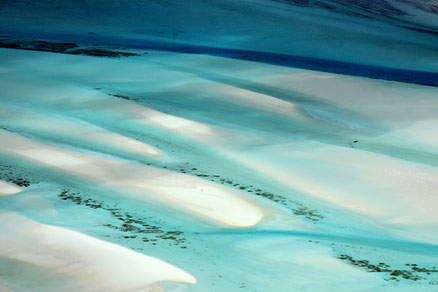
With or without human intervention, coastal processes continually morph coasts into different shapes, sizes, and colors. Changes can be observed in a day, a season, or a decade, such that there will always be something different about the sand beneath our toes from one visit to the next.
Surf’s Up, An Art Exhibition
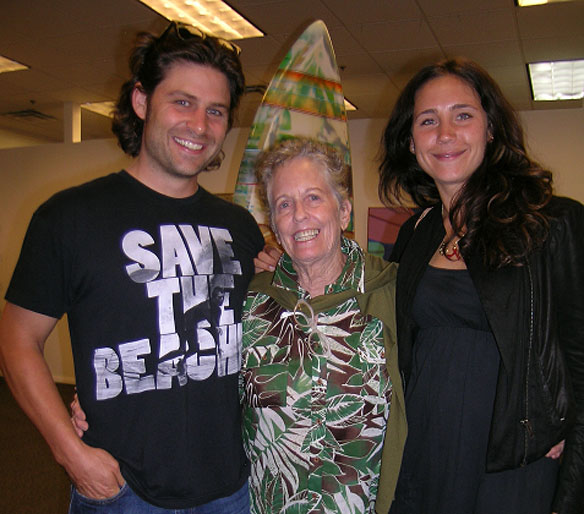
Surf’s Up, an exhibition focusing on the art inspired by surfing July 22- September 25th, 2011 at the Palos Verdes Art Center’s. The common thread that runs through this exhibit is that most of the artists are inspired by their respect for the sheer power and energy of a wave.
Oil pollution in Niger Delta: Environmental Assessment of Ogoniland Report; Unep
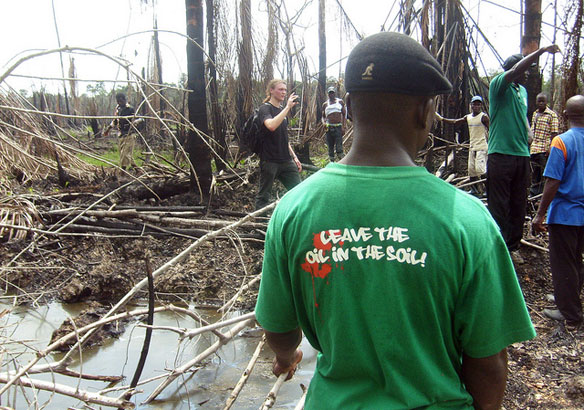
A report by the UN Environment Programme, which carried out a 14-month assessment of pollution from over 50 years of oil operations in Ogoniland – Niger Delta region, has found widespread and devastating oil pollution that may require the world’s biggest ever clean-up, that could take 20-30 years. The UNEP also called for the oil industry and the Nigerian government to contribute $1 billion to a clean-up fund for the region to properly address this “tragic legacy.”
Shoreline Changes And Associated Coastal Land Loss Along The U.S. Gulf Of Mexico
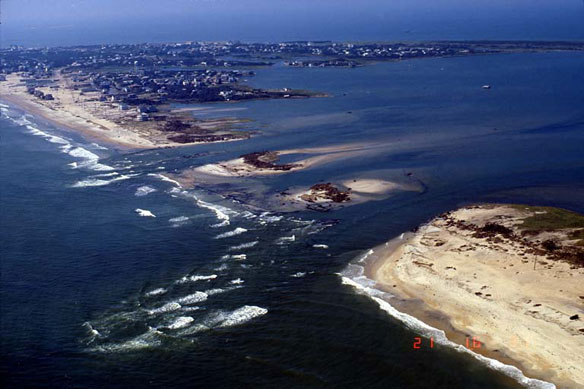
Beach erosion is a chronic problem along most open- ocean shores of the United States. As coastal populations continue to grow and community infrastructures are threatened by erosion, there is increased demand for accurate information regarding past and present trends and rates of shoreline movement. A USGS report.
Slowing climate change by targeting gases other than carbon dioxide
A new study, conducted by NOAA scientists, shows that even if carbon dioxide remains the undisputed king of recent climate change, other greenhouse gases measurably contribute to the problem, and there are short-term opportunities to influence the trajectory of climate change.