
EU Leaders Agree to Cut Greenhouse Gas Emissions by 40% by 2030
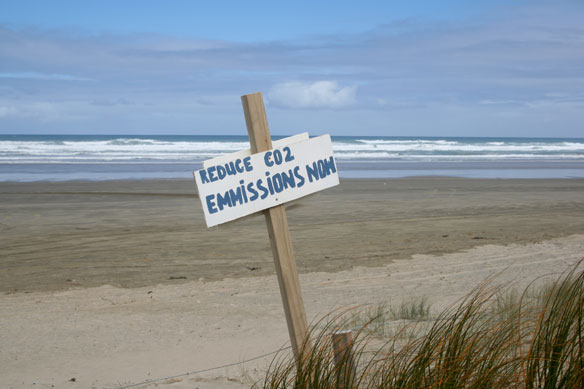
European leaders have struck a broad climate change pact obliging the EU as a whole to cut greenhouse gases by at least 40% by 2030. But key aspects of the deal that will form a bargaining position for global climate talks in Paris next year were left vague or voluntary, raising questions as to how the aims would be realized.
Seawall ‘Option’ Won’t Wash
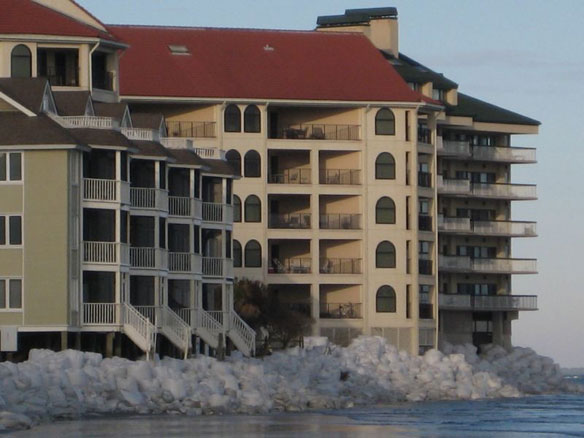
Hard erosion control devices aren’t generally allowed on South Carolina beaches, and with good reason. Here’s why: Seawalls actually can accelerate erosion, often on adjacent property.
San Francisco Rising to Threat of Swelling Seas
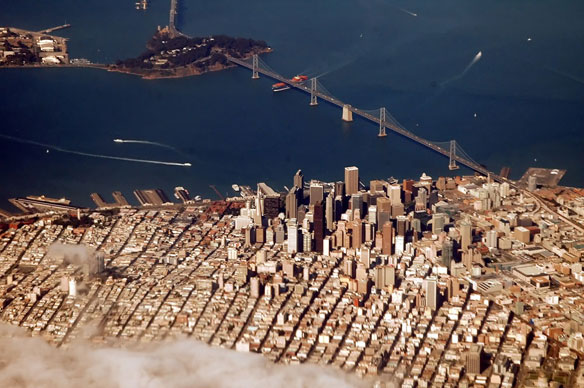
The City by the Bay, where bayfront shorelines will continue to experience worsening high tide flooding, where the nearby international airport is among the nation’s most vulnerable to floods, and where Pacific Ocean shoreline erosion could be accelerated by sea level rise, has adopted a first-in-the-nation approach to assessing potential infrastructure risks posed by rising seas.
The Last Beach, A book by Orrin H. Pilkey And J. Andrew G. Cooper
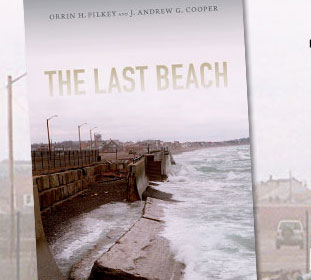
“The Last Beach” is an urgent call to save the world’s beaches while there is still time. The geologists Orrin H. Pilkey and J. Andrew G. Cooper sound the alarm in this frank assessment of our current relationship with beaches and their grim future if we do not change the way we understand and treat our irreplaceable shores.
500-Year-Old Traces of Monster Hawaii Tsunami Discovered
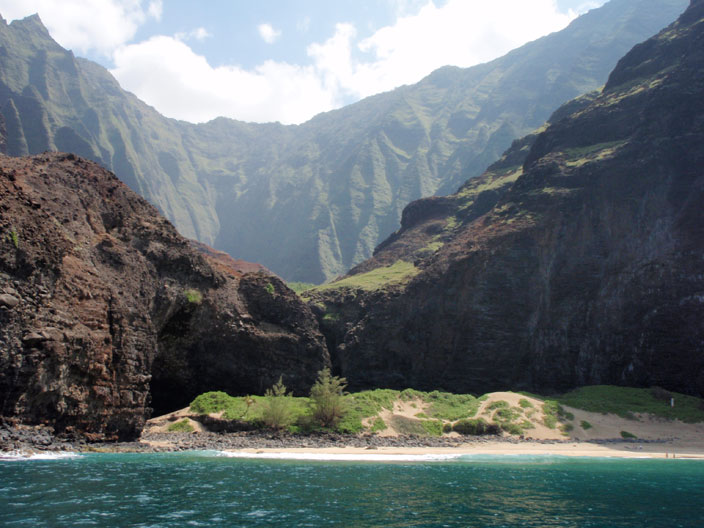
A powerful earthquake in Alaska sent towering waves up to 30 feet (9 meters) tall crashing down on Hawaii about 500 years ago, leaving behind fragments of coral, mollusk shells and coarse beach sand in a sinkhole located on the island of Kauai, new research finds.
Tracing Our Ancestors at the Bottom of the Sea
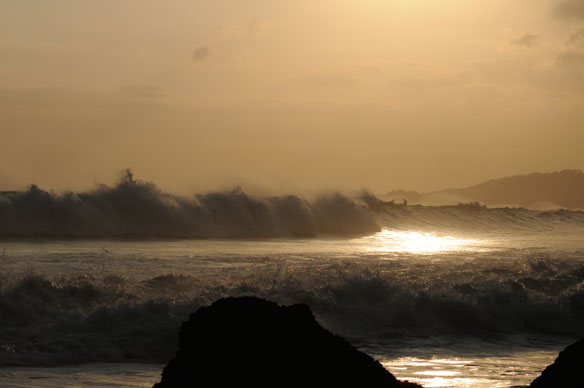
Researchers are studying traces of prehistoric sea-submerged settlements. Some of these drowned sites are tens of thousands of years old, and have been found in the coastal waters and open sea basins around Europe. The drowned land includes some of the earliest routes from Africa into Europe, and the areas where people survived during the multiple Ice Ages.
Rising Above the Risk: America’s First Tsunami Refuge
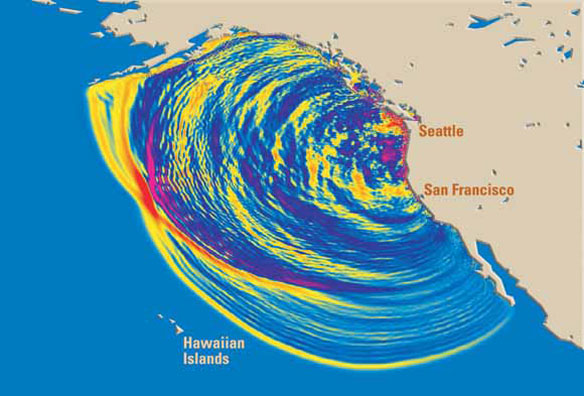
Washington’s coast is so close to the seismically active Cascadia Subduction Zone that if a megathrust earthquake were to occur, a tsunami would hit the Washington shoreline in just 25 minutes. One coastal community is preparing for such a disaster by starting construction on the nation’s first tsunami evacuation refuge.
Venice: Long-Admired Gondola Feature Threatened by Rising Waters

As the aqua alta -high waters- occur more frequently, largely due to rising sea levels, gondoliers are having more and more trouble getting their boats under bridges – and, as the highest part of the boat, the stern iron is becoming increasingly problematic.
Super-sized ships: How big can they get?

Despite the physical limits and risks, ships of more than 450m are anticipated within the next five years.