
Coastal Conservation Plan Sparks Fight Over Sand

Beach communities that rely on dredging to replenish protective dunes object to expanded federal protections. Environmental advocates are pushing back with warnings about the possible ecological damage from beach replenishment projects that they call sand mining.
Renewables Cheaper Than 75 Percent of U.S. Coal Fleet, Report Finds

Nearly 75 percent of coal-fired power plants in the United States generate electricity that is more expensive than local wind and solar energy resources, according to a new report. Wind power, in particular, can at times provide electricity at half the cost of coal, the report found.
‘Very dangerous’: Cyclone Veronica to bring 4m storm surge to northern WA
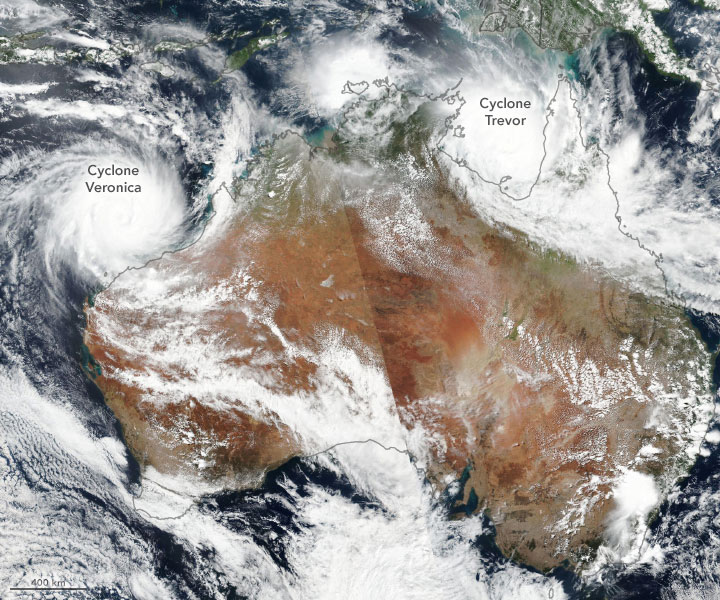
Residents in Western Australia’s far north are bracing for dangerous storm surges caused by Cyclone Veronica, while Northern Territory residents are slowly returning home as ex-cyclone Trevor circles back towards Queensland. Trevor crossed the mainland as a category 4 storm on Sunday morning.
Giant sunfish washes up on Australian beach
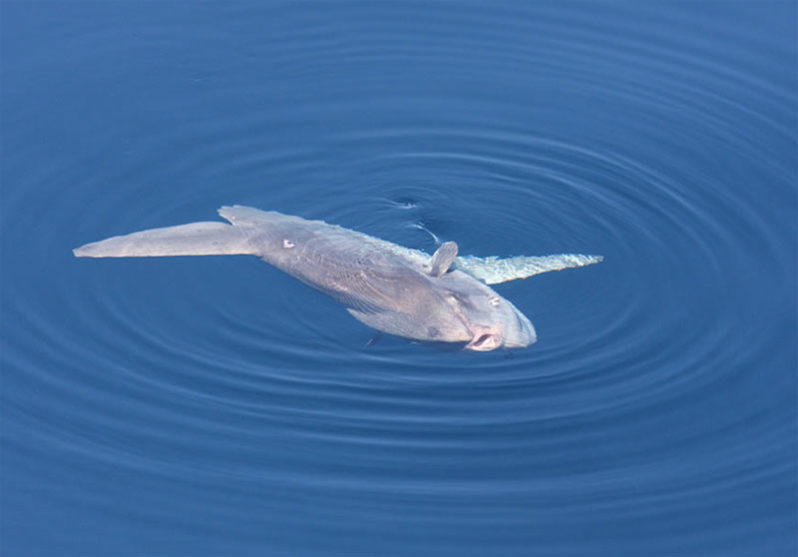
A rare giant sunfish has washed ashore at the mouth of the Murray River in South Australia.
Cyclone Idai called worst humanitarian crisis in Mozambique
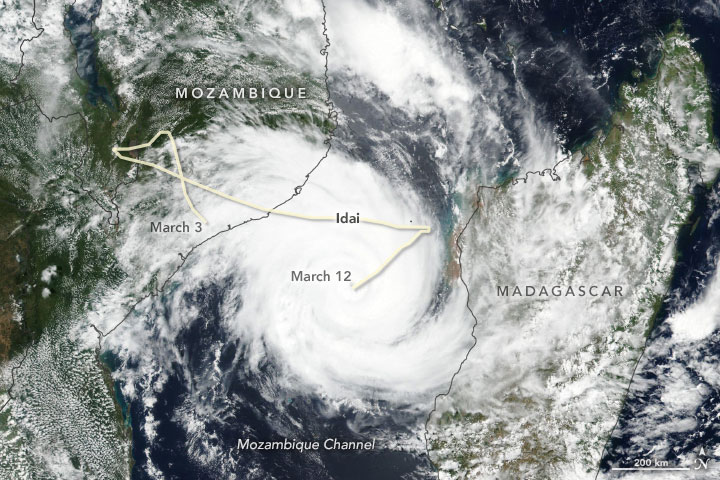
When Cyclone Idai, a devastating tropical storm, swept across southeastern Africa on Thursday, it killed at least 150 people, displaced hundreds of thousands and left Beira, a coastal city of a half-million people in central Mozambique, almost totally destroyed.
Researchers create hydrogen fuel from seawater
Stanford researchers have devised a way to generate hydrogen fuel using solar power, electrodes and seawater – Earth’s most abundant source – for chemical energy.
Why Cyclone Idai was so destructive
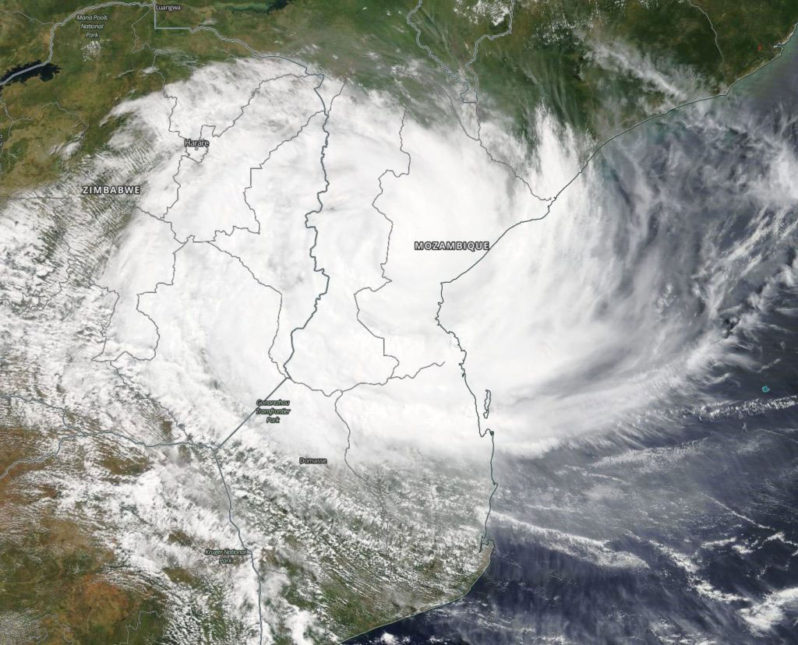
The storm that battered Mozambique and its neighbors in Africa followed a winding path.
Dead whale found with 40 kilograms of plastic bags in its stomach
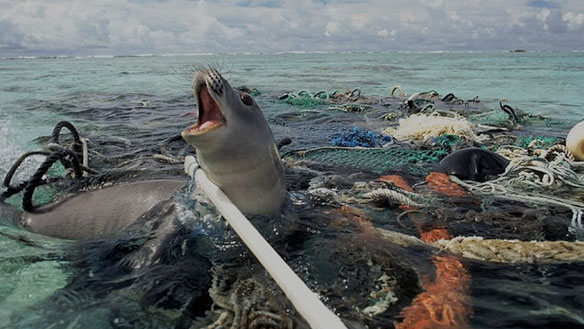
A young whale whose carcass washed up in the Philippines died of “dehydration and starvation” after consuming 40 kilograms (88 pounds) of plastic bags, scientists have found.
Sharp rise in Arctic temperatures now inevitable – UN
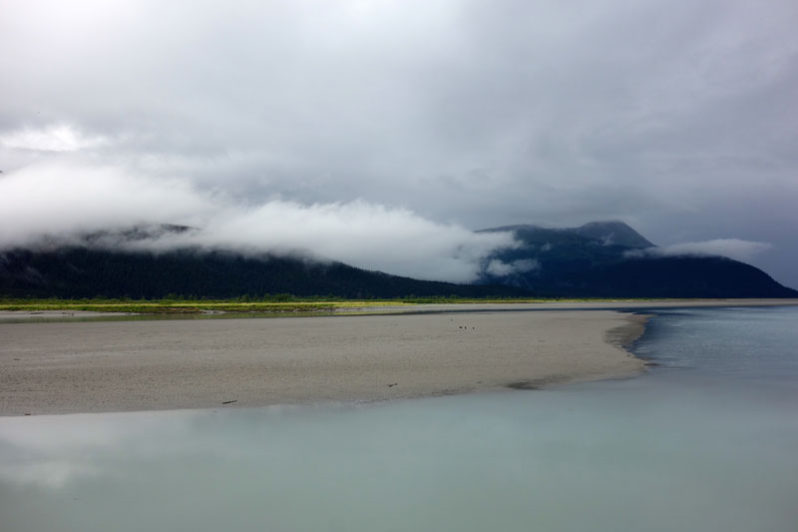
Sharp and potentially devastating temperature rises of 3C to 5C in the Arctic are now inevitable even if the world succeeds in cutting greenhouse gas emissions in line with the Paris agreement, research has found.