
Slathering on sunscreen at the beach? It may be destroying coral reefs
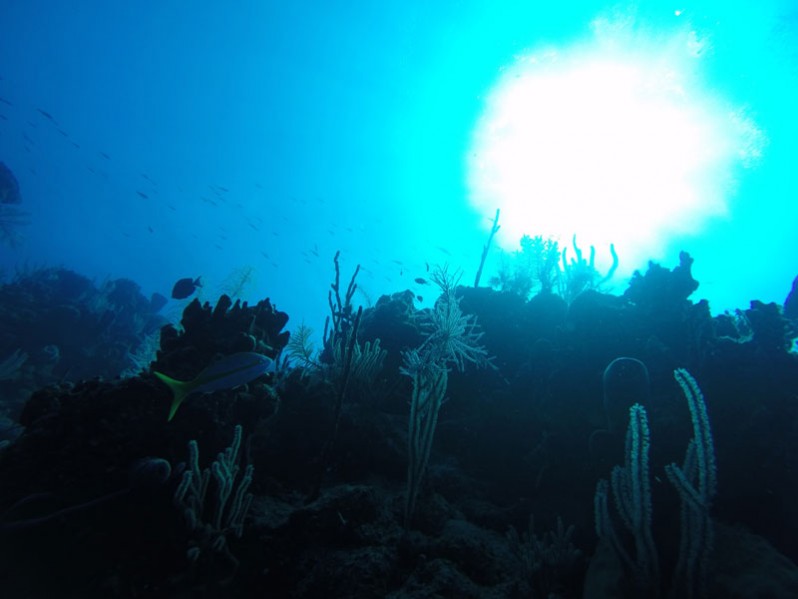
Studies show that oxybenzone, a common chemical found particularly in spray-on sunscreens, contributes to coral bleaching and leaves reefs deformed.
Orca pod filmed hunting whale calf in ‘unprecedented’ California killing spree
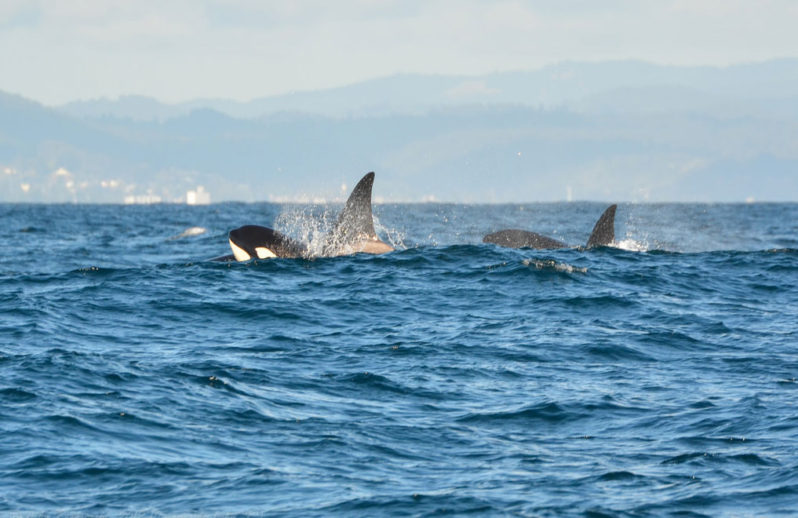
In an “unprecedented” rash of attacks, a pod of killer whales in Monterey Bay, California, has killed four gray whales in a week, a phenomenon one researcher hasn’t seen in her 30-year career.
How Would Just 2 Degrees of Warming Change the Planet?
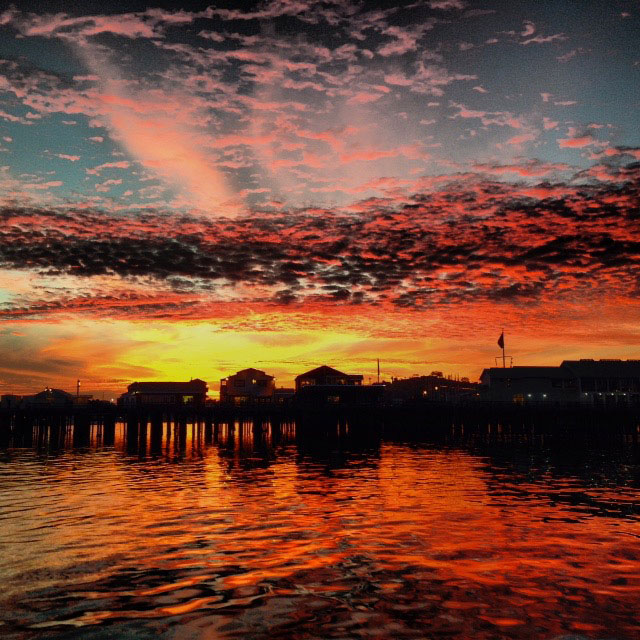
Why are climate scientists so alarmed about a worldwide temperature increase of just 2.7 degrees Fahrenheit (1.5 degrees Celsius)?
Caribbean Scientists Work to Limit Climate Impact on Marine Environment
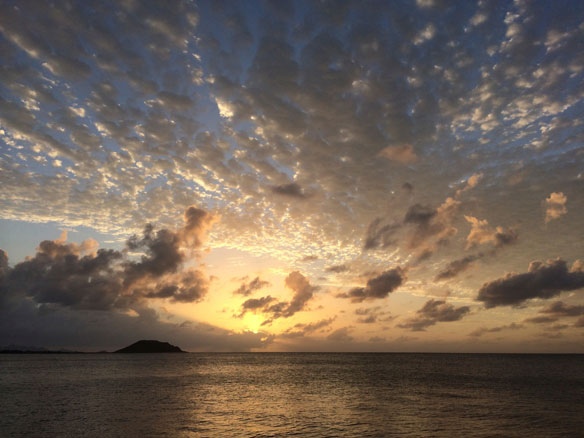
Caribbean scientists say fishermen are already seeing the effects of climate change, so for a dozen or so years they’ve been designing systems and strategies to reduce the impacts on the industry.
In rare move, one South Florida city sues another in battle over beach erosion
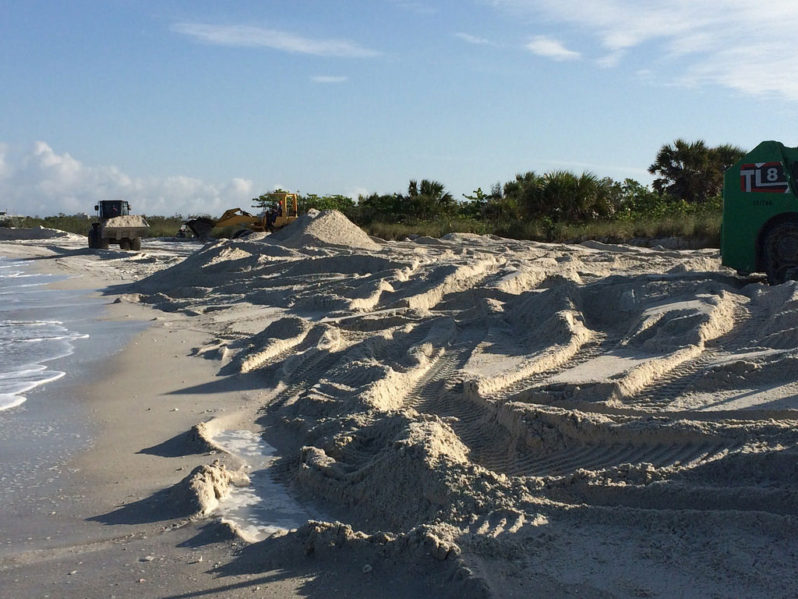
A spat over sand in adjacent cities finally landed in court this week, and it already has cost taxpayers hundreds of thousands of dollars.
U.S. Study Shows Widening Disconnect with Nature, and Potential Solutions
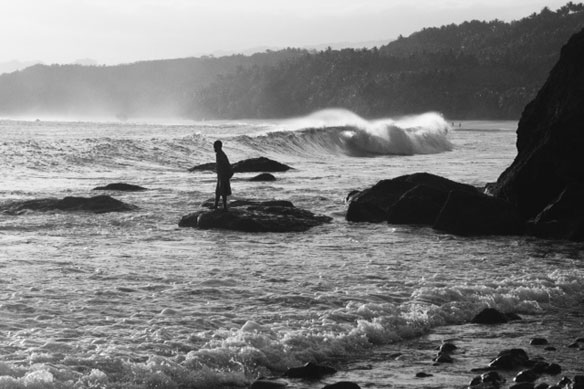
A survey of 12,000 adults and children in the United States has shown that many people have lost a close connection with nature, although a wide cross-section of respondents expressed a desire to close that gap.
Climate change could spell ‘extreme poverty’ in coastal NZ towns
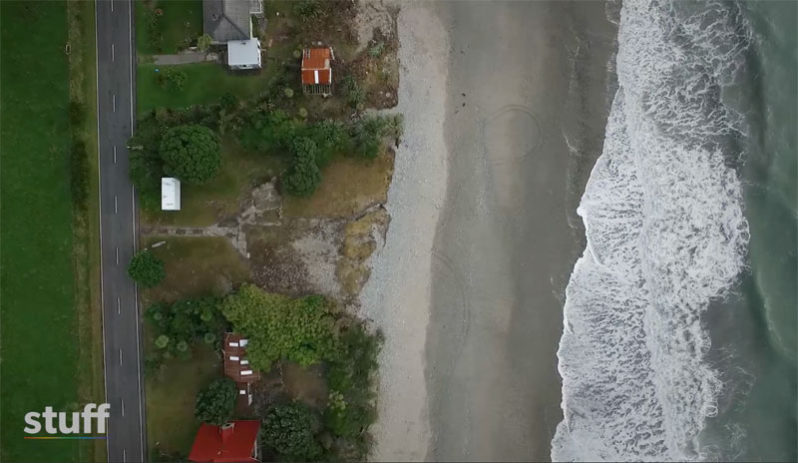
Along New Zealand’s West Coast, the shoreline has been eroding for many years, the relentless sea moves closer by the day. Now the Tasman sea has snuck into some of the beach-front properties. With rising sea levels and more intense storms likely because of a warming climate, parts of Granity will become uninhabitable.
The Arctic is a ‘dead end’ for ocean plastic
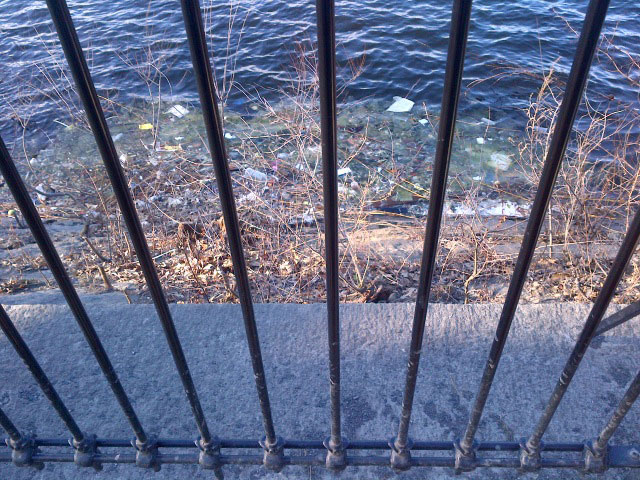
According to a new study, the Arctic serves as a “dead end” for hordes of marine debris drifting through the North Atlantic. Even though very little plastic waste is discarded within the Arctic itself, it’s still carried there — and then stranded — by ocean currents.
The Economist explains: Why there is a shortage of sand
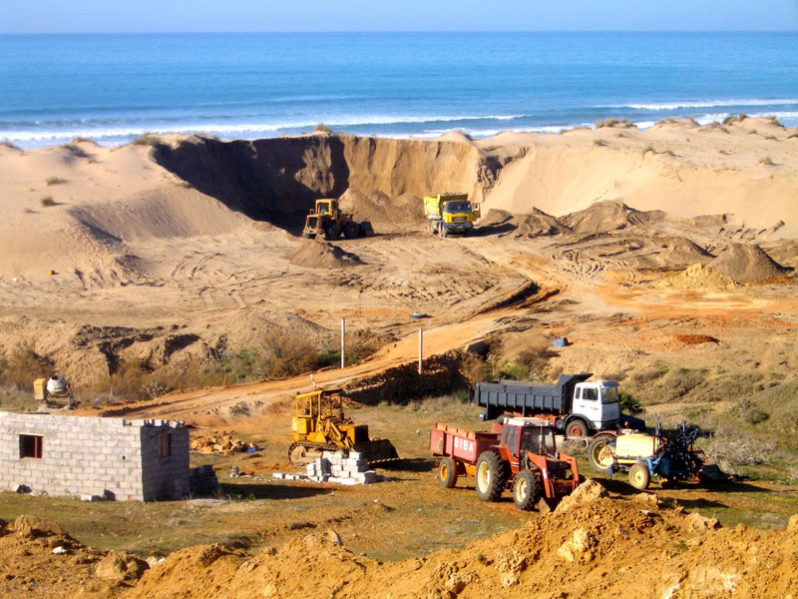
It may be plentiful, but so is the demand for it.