
Mapping the World’s Ocean Ecosystems
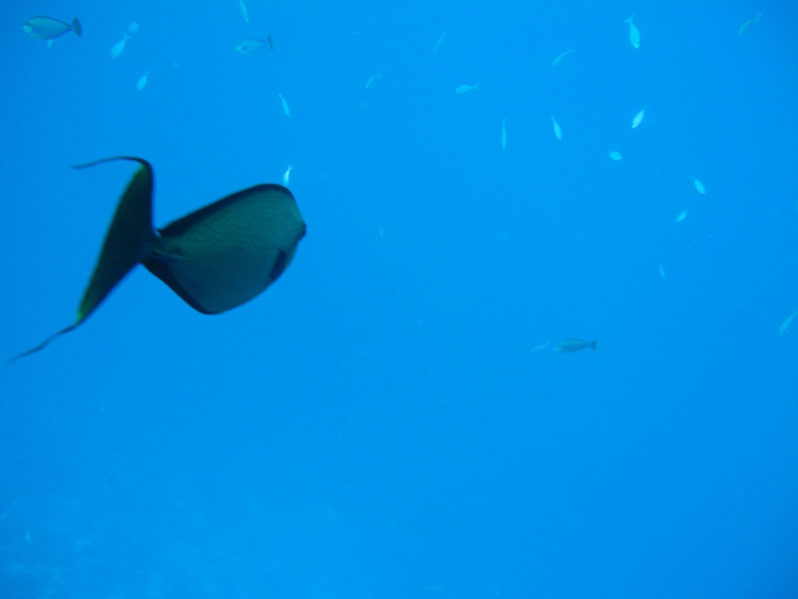
To meet the need for a consistent, objective, and complete description of open-ocean environments, the USGS formed a public-private partnership with ESRI, NOAA, academia, and non-profit organizations to produce the first ever detailed maps that group the entire global ocean into 37 distinct 3D ecosystems.
Chesapeake Bay pollution extends to early 19th century
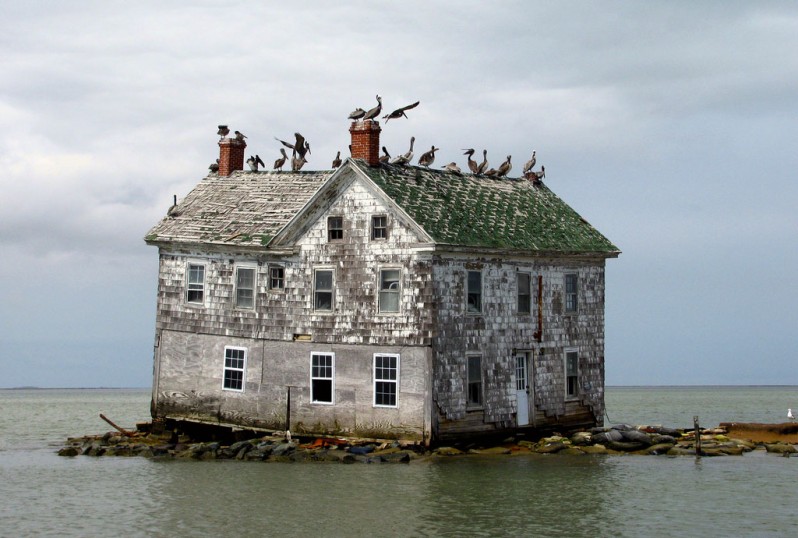
Humans began measurably and negatively impacting water quality in the Chesapeake Bay in the first half of the 19th century, according to a study of eastern oysters.
Predicting the movement, impacts of microplastic pollution
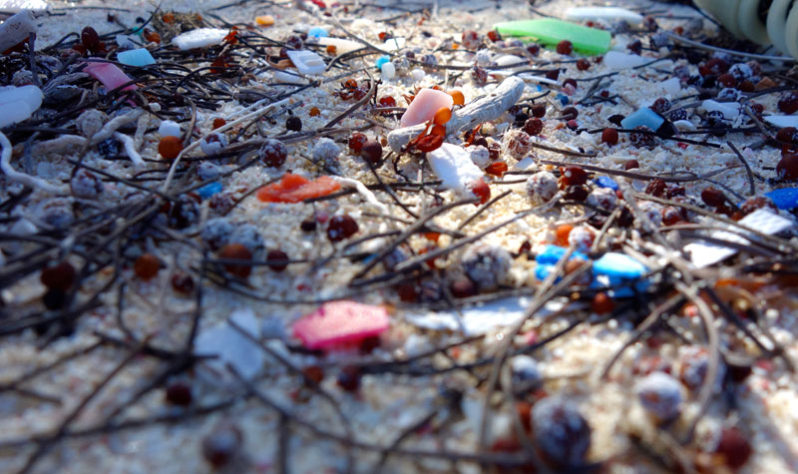
Microplastics are of increasing concern. They not only become more relevant as other plastic marine litter breaks down into tiny particles, they also interact with species in a range of marine habitats. A new study takes a look at how global climate change and the impact of changing ocean circulation affects the distribution of marine microplastic litter.
How Singapore is creating more land for itself
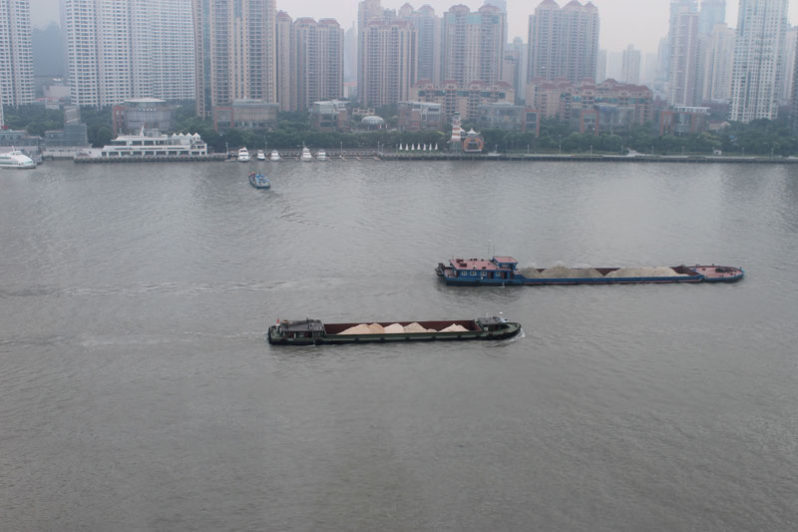
The island off the southern tip of Malaysia reveals the future of building in an epoch of dwindling territory.
Sea Floor Erosion in Coral Reef Ecosystems Leaves Coastal Communities at Risk
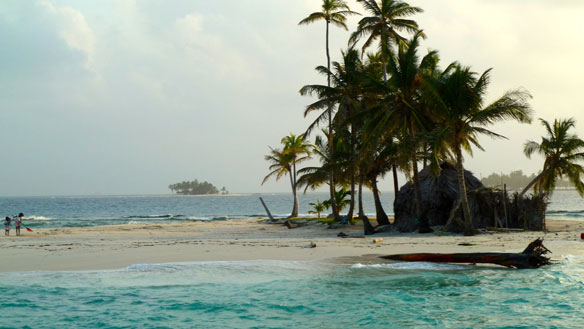
In the first ecosystem-wide study of changing sea depths at five large coral reef tracts in Florida, the Caribbean and Hawai’i, U.S.G.S researchers found the sea floor is eroding in all five places, and the reefs cannot keep pace with sea level rise. As a result, coastal communities protected by the reefs are facing increased risks from storms, waves and erosion.
Nicaragua’s South Caribbean Coast Improves Readiness for Climate Change
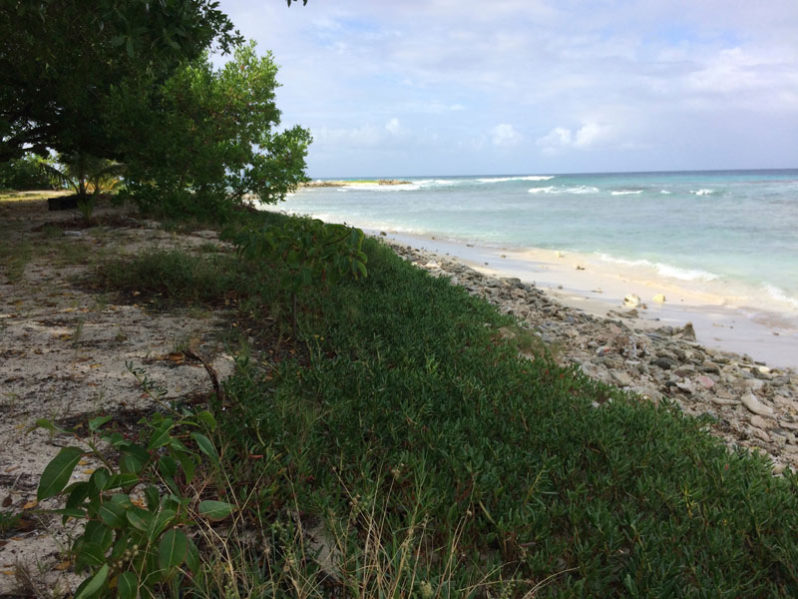
The effects of climate change have hit Nicaragua’s Caribbean coastal regions hard in the last decade and have forced the authorities and local residents to take protection and adaptation measures to address the phenomenon that has gradually undermined their safety and changed their way of life.
The Vanishing Nile: A Great River Faces a Multitude of Threats
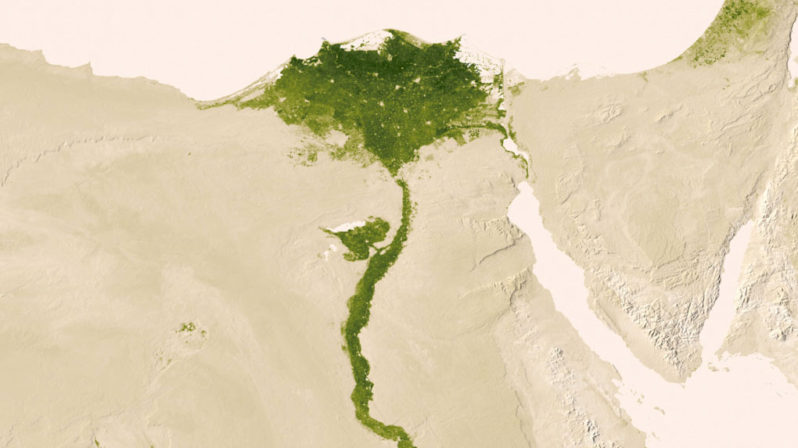
The Nile River is under assault on two fronts – a massive dam under construction upstream in Ethiopia and rising sea levels leading to saltwater intrusion downstream.
Blooming Gibraltar
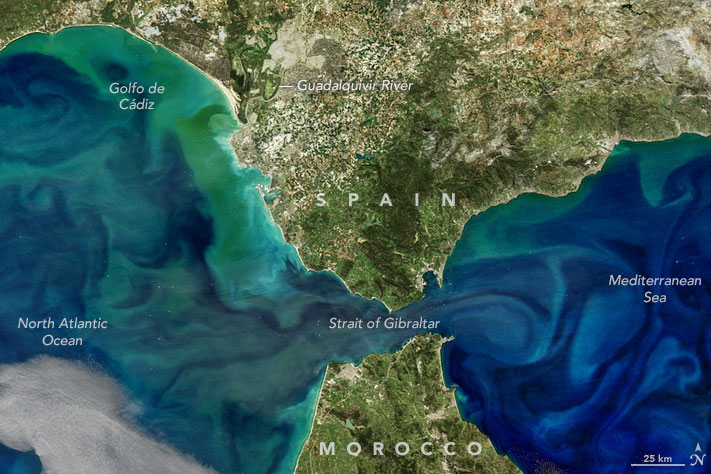
At the strait’s narrowest point, Africa stands just 14 kilometers (9 miles) from Europe. But the narrow waterway is a complex environment that gives rise to striking phytoplankton blooms when conditions are right.
Trillions of Plastic Bits, Swept Up by Current, Are Littering Arctic Waters
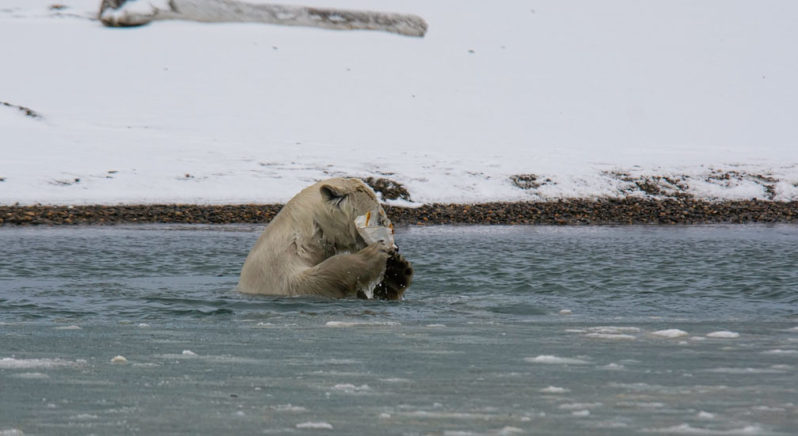
Pollution is now as dense in the northernmost ocean as it is in the Atlantic and Pacific..