
Study reveals island formation a key driver of penguin speciation
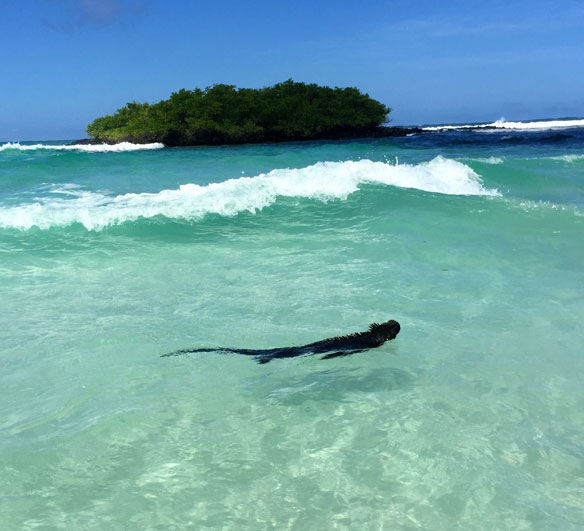
Ever since Darwin first set foot on the Galapagos, evolutionary biologists have long known that the geographic isolation of archipelagos has helped spur the formation of new species. Now, an international research team has found the first compelling evidence that modern penguin diversity is driven by islands, despite spending the majority of their lives at sea.
Sea rise along South Carolina coast accelerating faster than realized, researcher says
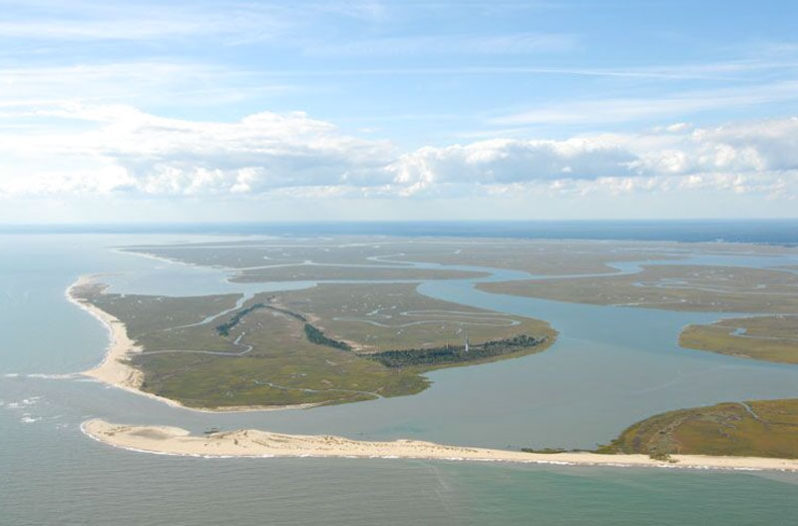
Within 50 years, the sea off Charleston will be rising about one inch every five years — twice as fast as it was rising about a century ago and one-third faster than it was in 2000.
What is the polar vortex – and how is it linked to climate change?
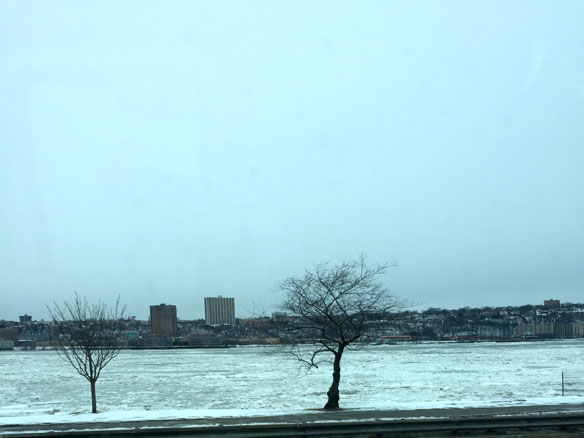
The polar vortex has broken into ‘two swirling blobs of cold air’, bringing the most frigid conditions in decades to the midwest
Factors in ‘alarming rate’ of cold-stranded sea turtles in Cape Cod Bay
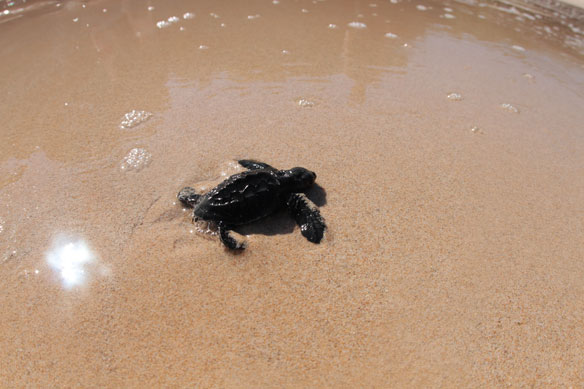
A recent study looked into what variables are most important in predicting the number of cold-stunning and stranding events among juvenile Kemp’s ridley sea turtles in Cape Cod Bay.
Huge Cavity in Antarctic Glacier Signals Rapid Decay
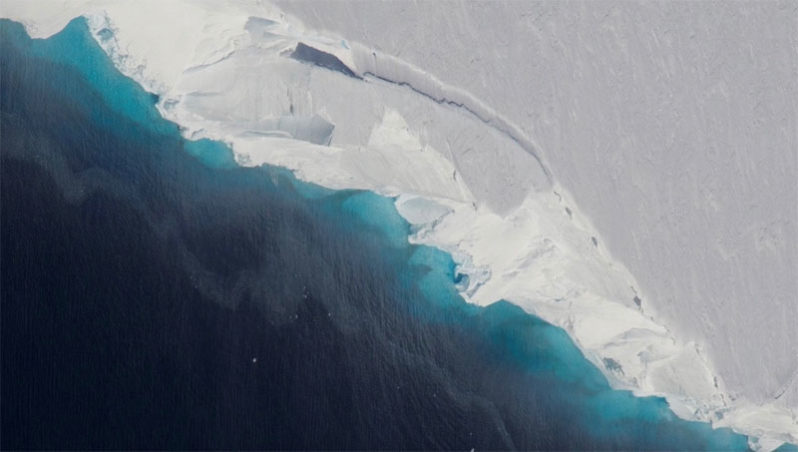
A gigantic cavity – two-thirds the area of Manhattan and almost 1,000 feet (300 meters) tall – growing at the bottom of Thwaites Glacier in West Antarctica is one of several disturbing discoveries reported in a new NASA-led study of the disintegrating glacier.
Mussels lose grip when exposed to microplastics – study

Researchers say effects will be felt beyond molluscs as reefs shelter other marine life
A Pragmatic Shift Needed, to Deliver the Potential of Blue Economy
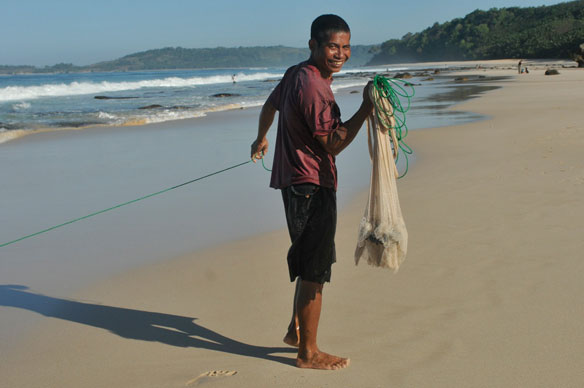
It’s estimated that 70% of the Earth’s surface is covered by water. Unfortunately, our water resources are under serious threats attributable to uncontrolled human activities that are severely impacting livelihoods and the ecosystem.
Extreme weather and geopolitics major drivers of increasing ‘food shocks’
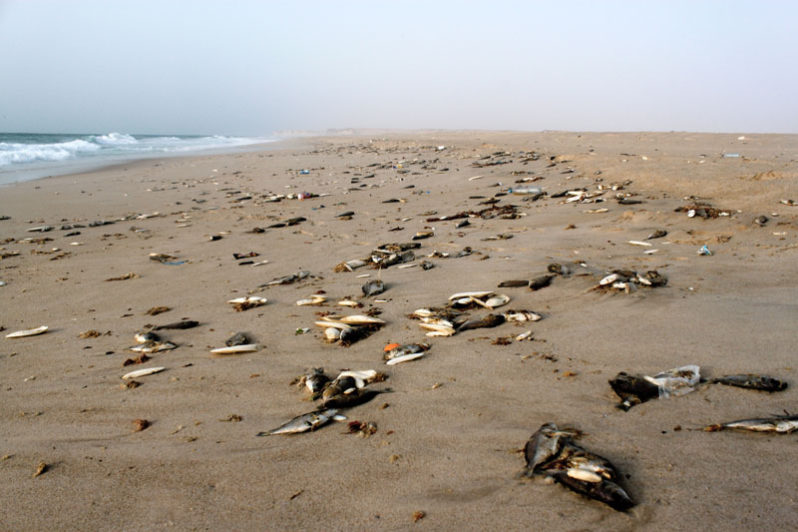
The research, published in the journal Nature Sustainability, identified 226 food production shocks across 134 nations over the 53-year period, noting an increasing frequency of shocks across all sectors on a global scale.
Marine Litter: Solutions for a Major Environmental Problem; By Williams, A.T. and Rangel-Buitrago
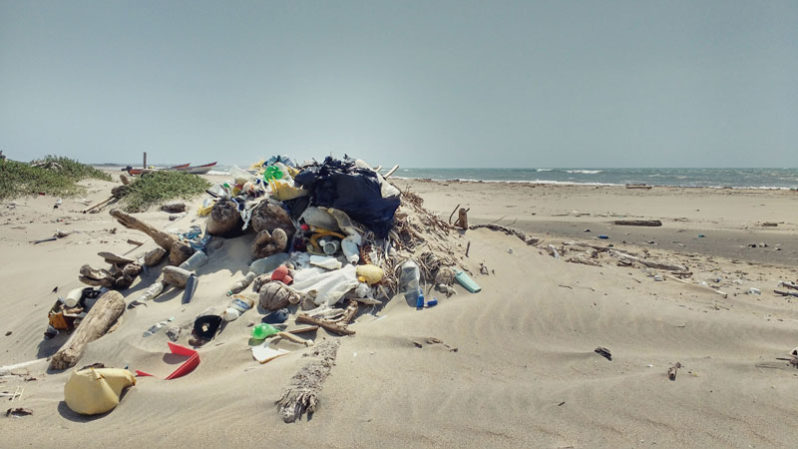
A current major environmental problem is that marine litter is being deposited in increasing amounts on the world’s beaches and oceans. This is especially true for plastics, which form the bulk of the litter and which can last for an unknown number of years in the oceans.