
Giant Garbage Patches Help Redefine Ocean Boundaries
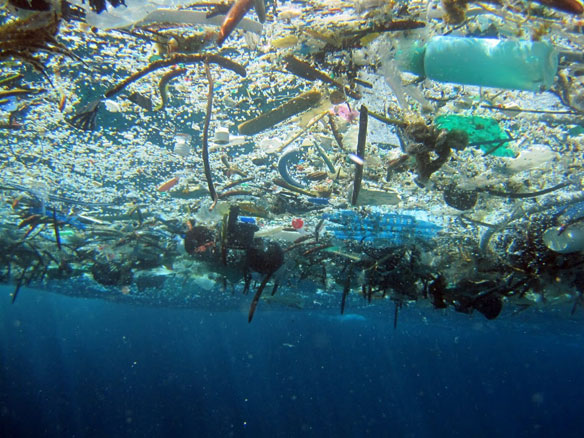
Researchers have created a new model that could help determine what area of the world is most responsible for each ocean garbage patch of floating debris; a difficult task for a system as complex and massive as the ocean.
Sydney Harbour’s Plastic Pollution At Alarming Levels, Scientists Find

Researchers have found alarming level of plastic pollution in Sydney harbour, with fibres from clothing and toiletries causing a widespread impact upon the marine ecosystem.
Plastic, Poverty And Pollution In China’s Recycling Dead Zone

Adam Minter, Bloomberg’s Shanghai correspondent, visited Wen’an, once at the heart of the global scrap plastic trade. In a never-before published extract from his book, “Junkyard Planet: Travels in the Billion-Dollar Trash Trade,” he describes the effects on workers’ health, and pollution incurred.
Pacific Ocean Garbage Swirls Predictably, A Video
The ‘Pacific Garbage Patch’, including debris from the 2011 Japanese Tsunami, travels in seasonal patterns. Coastal Observation and Seabird Survey Team’s (COASST) executive director Julia Parrish explains the patterns and how her organization is helping to mitigate the problem.
Plastic ‘Trash Islands’ Forming In Ocean Garbage Patch; Moore Live Webcast July 20th
15 years after discovering what became known as ” the great Pacific garbage patch”, Capt. Charles Moore has returned to the garbage patch, and will report the staggering findings via a live satellite webcast on July 20th. He discovered a “trash island” more than 50 feet (15 meters) long, with “beaches,” a “rocky coastline,” and “underwater mountains” and reefs made up of ropes, buoys and other plastic debris…
Microplastics Worse For Crabs And Other Marine Life Than Previously Thought

The tiny plastic particles polluting our seas are not only orally ingested by marine creatures, but also enter their systems through their gills, according to a new study.
Leading scientists express rising concern about ‘microplastics’ in the ocean

Microplastics, microscopic particles of plastic debris, are of increasing concern because of their widespread presence in the oceans and the potential physical and toxicological risks they pose to organisms.
All The World’s Oceans Have Plastic Debris On Their Surface

Central surface waters of the oceans may not be the final destination of plastic debris since, as indicated by the study performed by the Malaspina Expedition, large amounts of microplastics could be passing to the marine food chain and the ocean floor.
From Ocean to Beach, Tons of Plastic Pollution

The Hawaii Wildlife Fund, which organizes beaches cleanups, estimates that they have removed about 169 tons of garbage in the last 11 years from a 10-mile stretch of Hawaii Island alone, and that about 15 tons to 20 tons of new trash comes ashore each year.