
In Honduras, Defending Nature Is a Deadly Business

Berta Cáceres fought to protect native lands in Honduras, and paid for it with her life. She is one of hundreds of victims of a disturbing global trend, the killings of environmental activists who try to block development projects. Most believe it was that campaign, against the Agua Zarca dam on the Gualcarque River, that provided the motive for her murder, one of a rash of recent killings of environmental and social activists.
Abandoned oil wellhead exposed after rains wash away sand at Summerlamd Beach; CA
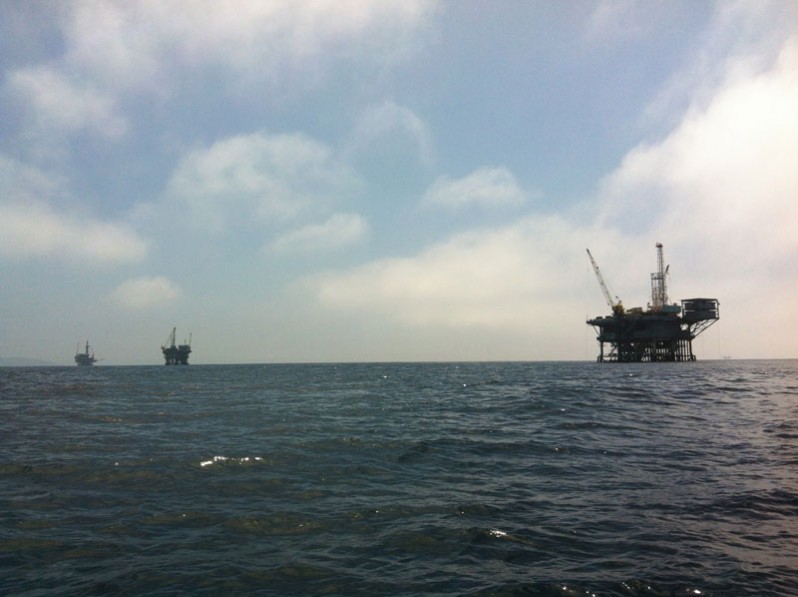
There are dozens of old wells at Summerland Beach which was once a bustling oil field, pumping out oil and gas from the Santa Barbara Channel. Wells were later abandoned, and leaks started springing up on the sand and in the water..
Sand mining: the global environmental crisis you’ve probably never heard of
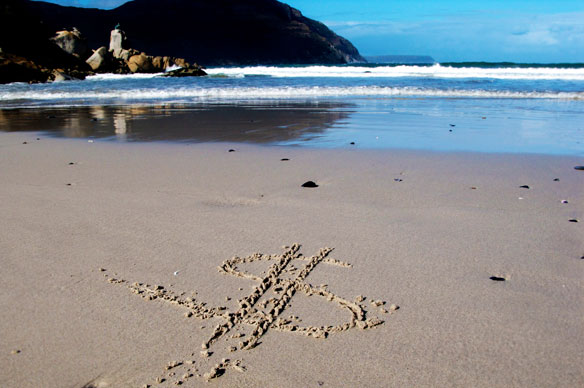
From Cambodia to California, industrial-scale sand mining is causing wildlife to die, local trade to wither and bridges to collapse. And booming urbanisation means the demand for this increasingly valuable resource is unlikely to let up.
“Rezoning” in Brazil Opens Endangered Atlantic Forest to Development
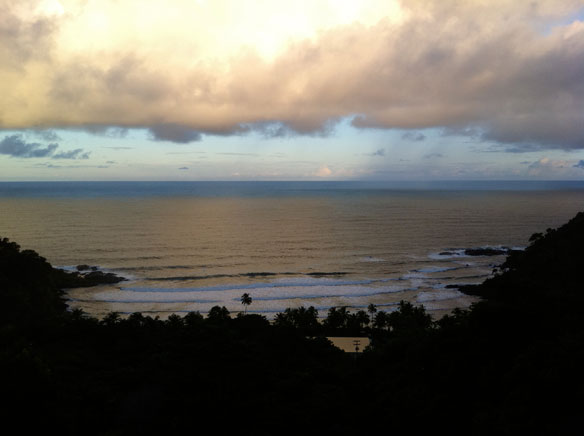
The already-vanishing Mata Atlântica, or Atlantic Forest, of southeastern Brazil is being prepared for auction under the government’s Ecological-Economic Zoning program. Previously protected costal lands are opened up for the construction of homes and businesses. Section of Ubatuba that borders Paraty, Rio de Janeiro is predicted to see an increase in construction of up to 50 percent.
Surveillance system, special squads to stop beach mineral mining; India
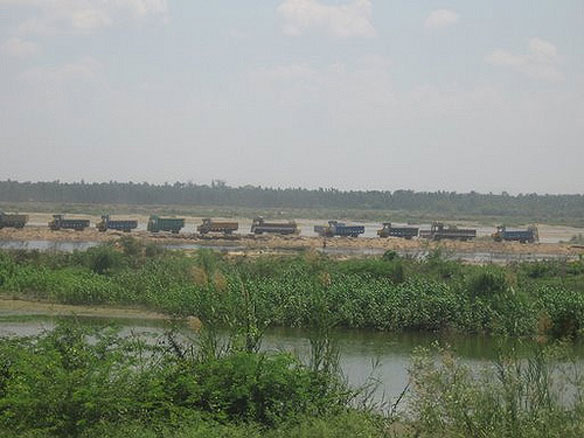
Deployment of sand mining surveillance system and patrol by special squads along coastal districts, especially those rich with major minerals, are some of the steps contemplated by Tamil Nadu government to prevent plunder of major minerals in the four southernmost coastal districts.
Plan for the recovery of beaches, Yucatán Peninsula, Mexico
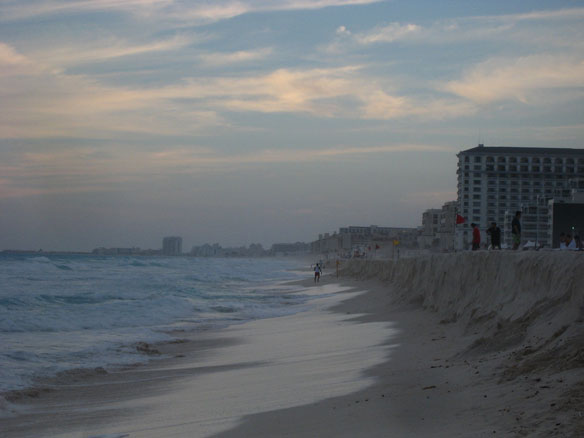
The government of Quintana Roo has announced a program to rehabilitate and maintain the state’s beaches, which in some areas are losing between two and six meters of sand every year. Ecology and Environment Secretary said the investment would begin with restoring reefs and beach vegetation to combat erosion.
Caspian Sea: Largest Inland Body of Water
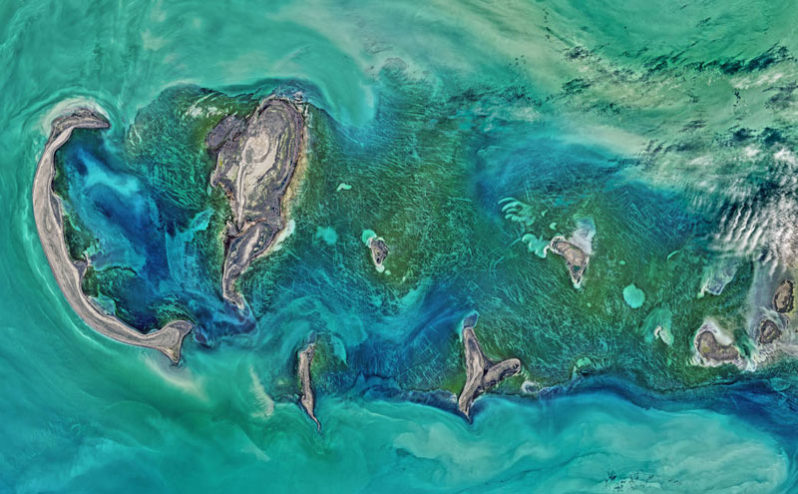
The Caspian Sea is the Earth’s largest inland body of water. Despite its name, it can be called either a lake or a sea. The question of whether it is a lake or a sea has political and economic ramifications. If the Caspian Sea is a lake, then the United Nations and international law have no control over its waters. If it is a sea, international organizations can have input on its use.
Shark sightings cause southern Calif. beaches to close
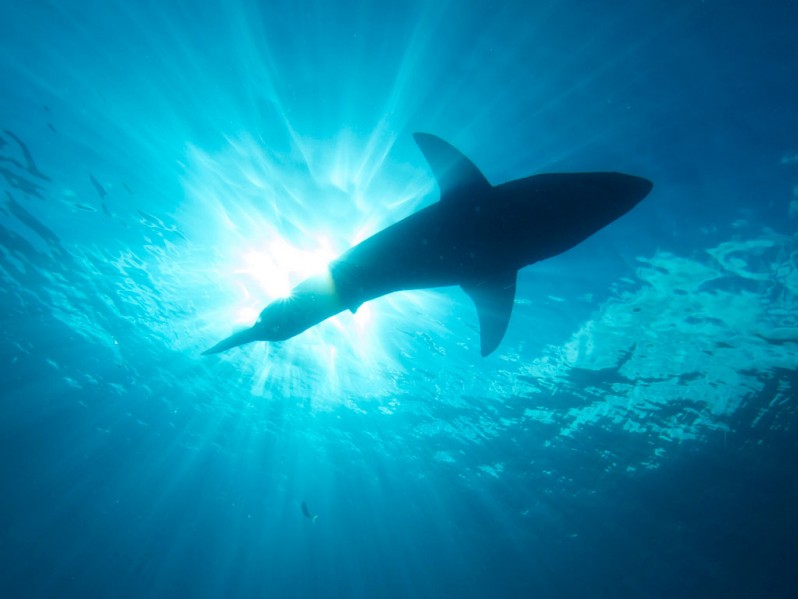
Swimmers and surfers have been ordered out of the water at two Southern California beaches after a pair of great white sharks were spotted near shore.
From forest to beach, North Carolina
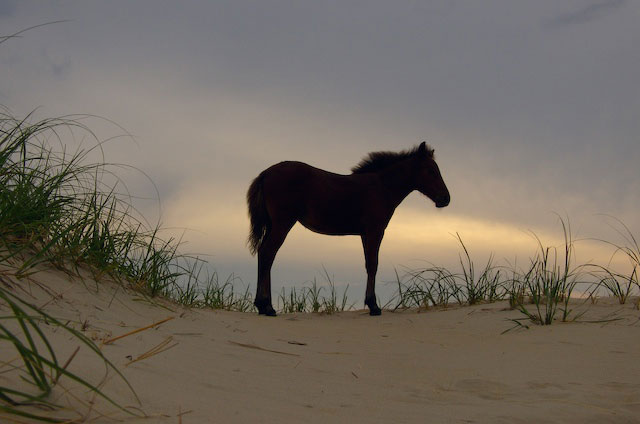
The Outer Banks is moving. For at least 4,000 years it has been steadily creeping closer to the continental United States.