
Climate change could spell ‘extreme poverty’ in coastal NZ towns
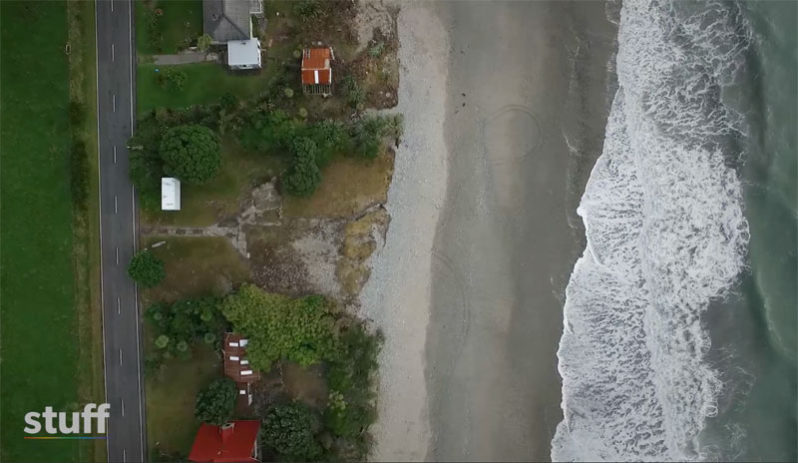
Along New Zealand’s West Coast, the shoreline has been eroding for many years, the relentless sea moves closer by the day. Now the Tasman sea has snuck into some of the beach-front properties. With rising sea levels and more intense storms likely because of a warming climate, parts of Granity will become uninhabitable.
NASA Study Challenges Long-held Tsunami Formation Theory
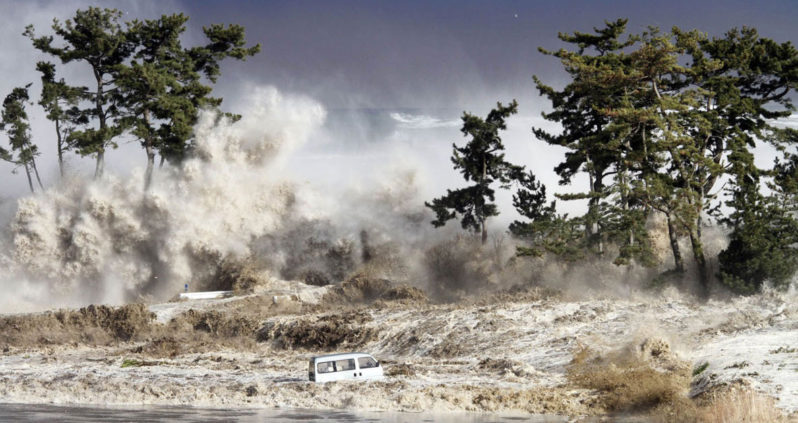
A new NASA study is challenging a long-held theory that tsunamis form and acquire their energy mostly from vertical movement of the seafloor.
The Arctic is a ‘dead end’ for ocean plastic
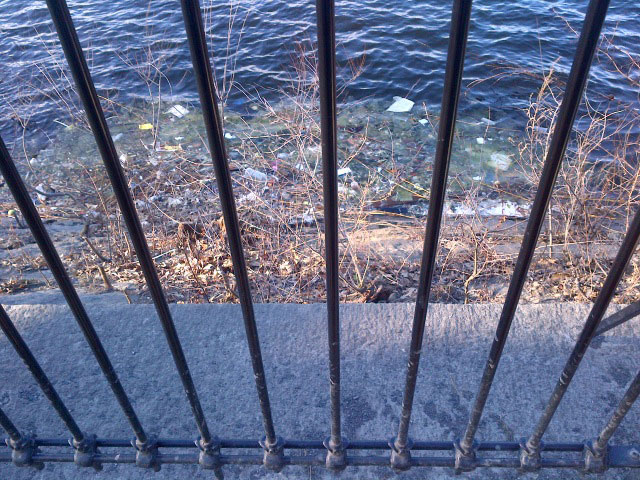
According to a new study, the Arctic serves as a “dead end” for hordes of marine debris drifting through the North Atlantic. Even though very little plastic waste is discarded within the Arctic itself, it’s still carried there — and then stranded — by ocean currents.
The Economist explains: Why there is a shortage of sand
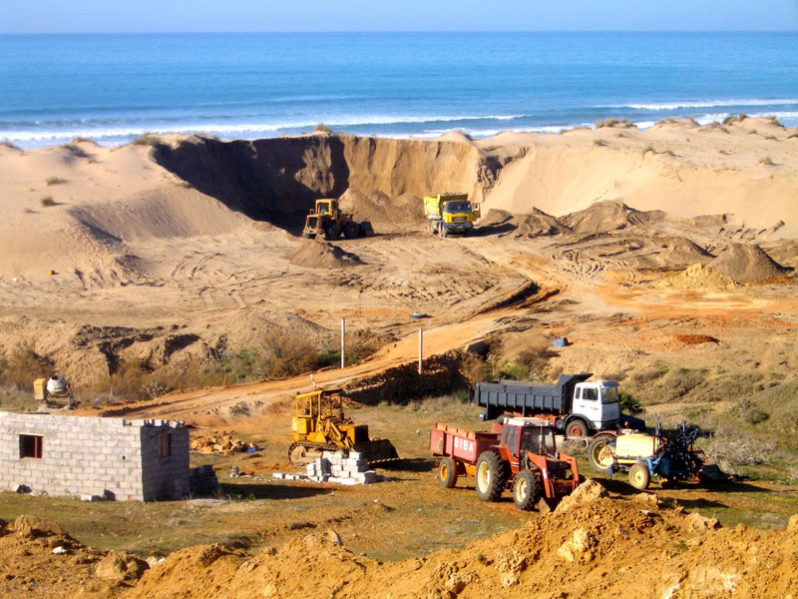
It may be plentiful, but so is the demand for it.
Mapping the World’s Ocean Ecosystems
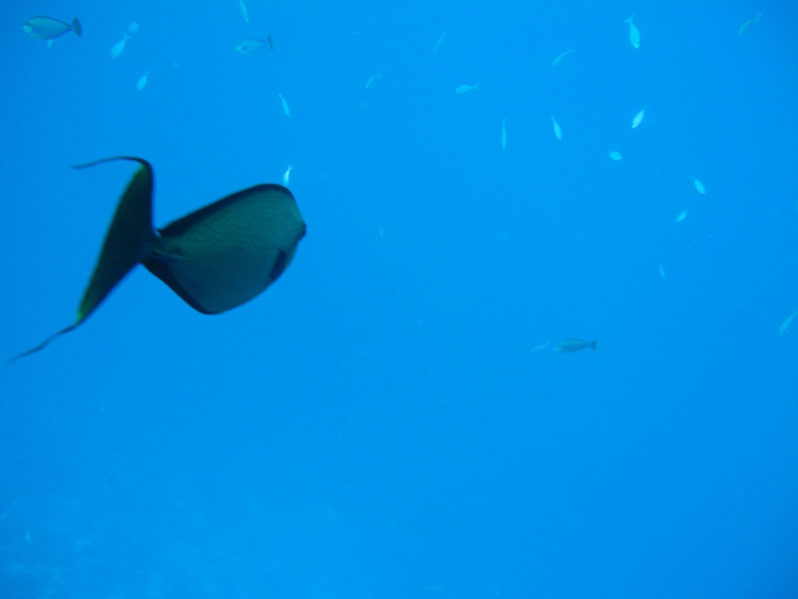
To meet the need for a consistent, objective, and complete description of open-ocean environments, the USGS formed a public-private partnership with ESRI, NOAA, academia, and non-profit organizations to produce the first ever detailed maps that group the entire global ocean into 37 distinct 3D ecosystems.
Chesapeake Bay pollution extends to early 19th century
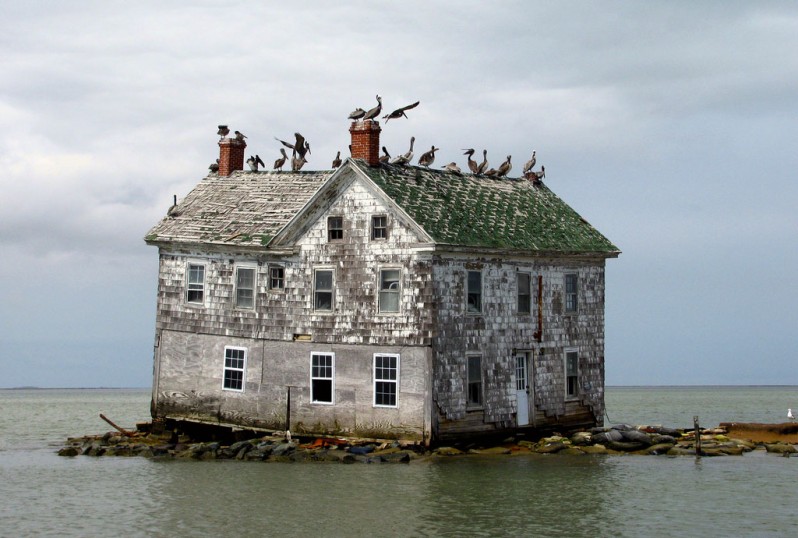
Humans began measurably and negatively impacting water quality in the Chesapeake Bay in the first half of the 19th century, according to a study of eastern oysters.
Predicting the movement, impacts of microplastic pollution
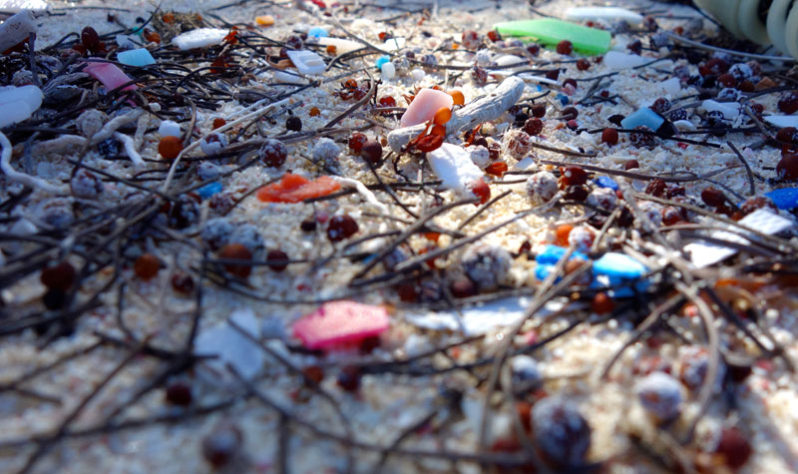
Microplastics are of increasing concern. They not only become more relevant as other plastic marine litter breaks down into tiny particles, they also interact with species in a range of marine habitats. A new study takes a look at how global climate change and the impact of changing ocean circulation affects the distribution of marine microplastic litter.
How Singapore is creating more land for itself
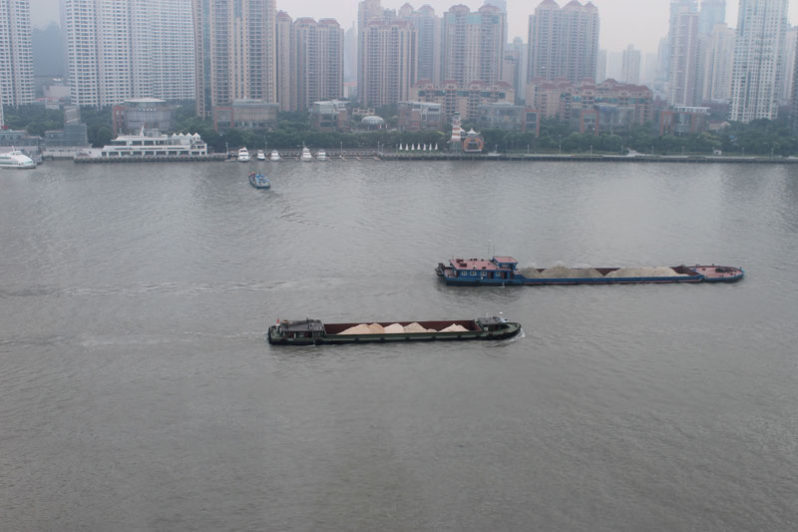
The island off the southern tip of Malaysia reveals the future of building in an epoch of dwindling territory.
Sea Floor Erosion in Coral Reef Ecosystems Leaves Coastal Communities at Risk
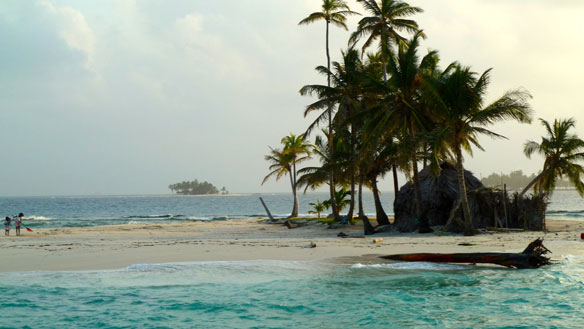
In the first ecosystem-wide study of changing sea depths at five large coral reef tracts in Florida, the Caribbean and Hawai’i, U.S.G.S researchers found the sea floor is eroding in all five places, and the reefs cannot keep pace with sea level rise. As a result, coastal communities protected by the reefs are facing increased risks from storms, waves and erosion.