Excerpt:
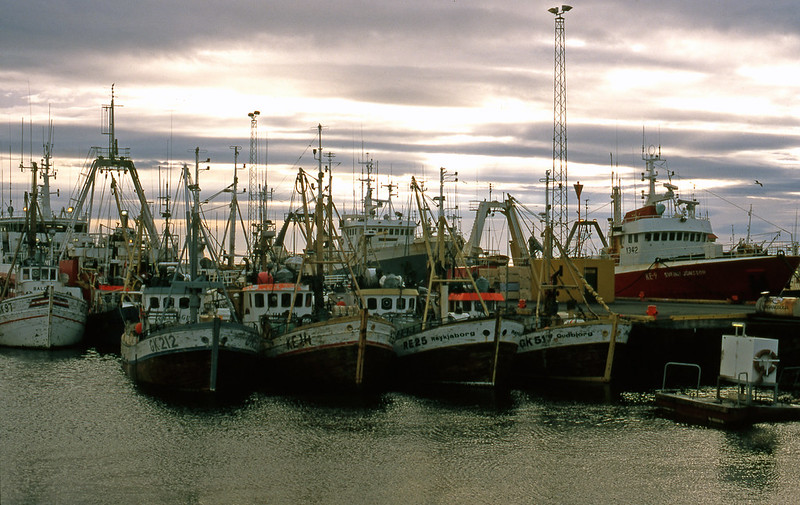
Iceland said “No” to joining the European Union this weekend, choosing to shield its marine resources from rampant overfishing…
Over the weekend, Iceland voted against resuming talks to join the European Union. At the heart of the referendum question: fish.
More than a decade since talks previously collapsed, Euroskeptics won 52.8 percent of the vote, according to the National Electoral Commission.
Just over 12,700 votes separated the two camps.
While the referendum—which was moved forward a year because of Trump’s repeated threats to Greenland—was originally framed around Arctic geopolitics and security, it instead became a proxy vote on fish; namely, who gets to decide the future of stocks already facing pressures from warming waters and excessive fishing.
“Our people fought for these 200 miles around Iceland,” a trawler captain told AFP ahead of the vote last week, referencing the victory over British boats in the Cod Wars of the 1970s. “We are a little bit afraid that if we join the European Union, we would have to give up some of what we fought so hard to gain.”
Fishing is a vital part of Iceland’s economy and culture, accounting for almost 40 percent of all exports, and employing almost four percent of the nation’s workforce. Those factors made the prospect of granting E.U. access to Icelandic waters an especially divisive question.
And, unlike in the 1970s, it’s no longer just cod. In the early 2000s, warming waters saw mackerel stocks expand northward into Icelandic territory, while diminishing elsewhere due to overfishing.
Today, Iceland’s fish stocks are far healthier than their European neighbors. Stocks of Icelandic cod and haddock, for example, are deemed sustainable or even abundant, while the equivalent E.U.-managed stocks face regional collapse.
A recent Gallup poll showed that 90 percent of Icelandic companies linked to fishing opposed joining the E.U. or its Common Fisheries Policy framework, perhaps a result of the disparities in how marine resources are managed.
“The E.U.’s behavior when it comes to fishing is abysmal,” said Jonny Hughes, senior policy manager at Blue Marine Foundation, a British ocean conservation charity. “I imagine they’re looking at [Iceland’s waters] as an absolute pot of gold…”