Excerpt:
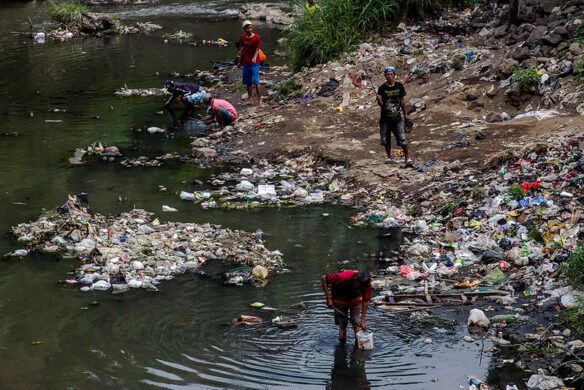
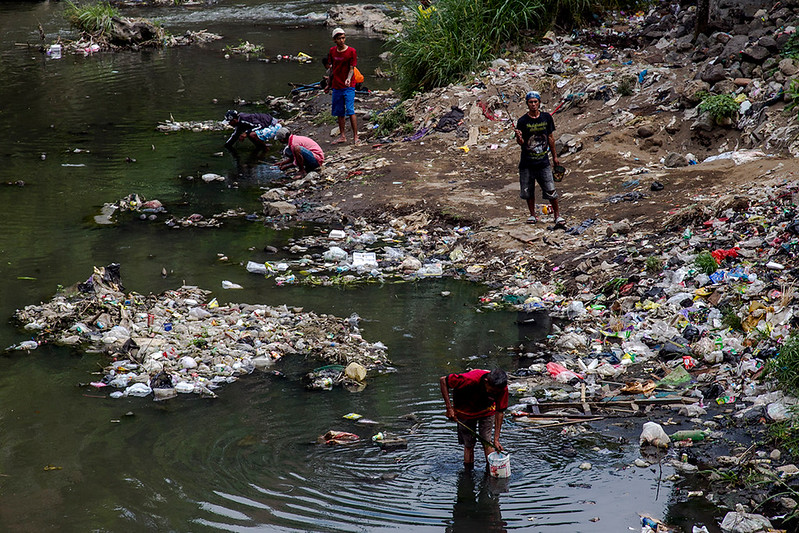
Nearly all of the pollution comes from rivers in developing countries. High plastic use, mismanagement of waste, strong rainfall and high solar radiation are major factors…
Almost all — 96 percent — of the pollution was from rivers in developing countries, with more than half it coming from Southeast and East Asia, according to the study. The Yangtze River in China, for example, is the largest contributor, releasing an estimated 43,000 tons of microplastic per year, despite contributing only 2 percent of global freshwater discharge.
Countries are susceptible to more of that pollution when they have a combination of high total plastic use, high rates of mismanaged plastic waste, strong rainfall and high solar radiation, the study found. The plastic flow acts like a relay race: High usage and flawed waste systems mean there is a higher volume of microplastics, while rain and solar radiation help move and break down that plastic.
As scientists continue to understand just how much microplastics infiltrate everything — from our clothing to our bodies to our oceans — Hehao Qin, co-first author of the study, said he noticed that many studies tended to either underestimate or overestimate just how much microplastic pollution in oceans comes from rivers. In setting out to answer this question, Qin, a graduate student at Peking University in Beijing, and corresponding authors Maodian Liu and Xuejun Wang, found they are a major contributor globally to ocean pollution.
“We still need more studies like this to further narrow down this uncertainty,” Qin said.
That flow of microplastics from rivers into oceans is not necessarily a steady release. Rather, they accumulate from cities, croplands, roads and floodplains and then release in sudden pulses over short periods. These pulses are caused by a perfect storm of human activity and natural processes.
One big factor, the research found, is rain.
Across 10 of the rivers delivering the most microplastics, about 70 percent each year occurs during the rainy season. Generally, large floods can remobilize plastics that have accumulated in soils and riverbeds.
Climate change is also exacerbating the problem. The warming of the planet means warm air that can hold more moisture, creating heavy rainfall more often and fueling more pulses of pollution into oceans…