Excerpt:
A new study found key disparities in race, gender and class despite a legal right to access beaches and other coastal areas…
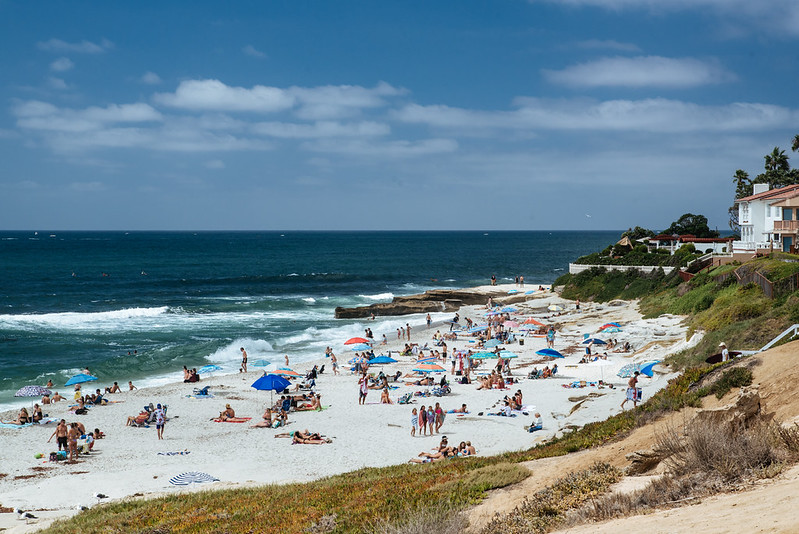
The California coastline winds more than 800 miles along the Pacific Ocean between Mexico and Oregon, with over 1,500 public access points leading to rugged cliffs and sandy beaches ideal for fishing, surfing, swimming and simply enjoying the ocean.
But how—or even whether—Californians can access this natural resource often comes down to factors like race, gender, geography and socioeconomic status, according to a new study.
“Persistent barriers keep some of California’s most vulnerable and marginalized communities from the coast,” said lead author Timothy Frawley, a project scientist in the Fisheries Collaborative Program at the University of California, Santa Cruz.
While California law protects the public’s right to access the coast, a team led by UC Santa Cruz researchers found major obstacles to equal access and enjoyment of the state’s coastline. Historically marginalized and lower-income people face physical, financial and other roadblocks that not only make it challenging to access the ocean, but also limit the benefits they get from it, according to the study.
The research comes on the 50th anniversary of the California Coastal Act, which enshrined the public’s right to access the ocean and aimed to maximize everyone’s opportunity to enjoy all the benefits the coast has to offer. Yet decades of exclusion, both formal and informal, have kept true equality out of reach.
“The legal right to enter an area and the ability to derive benefits from that area are not the same,” Frawley added. “Just because you can get there doesn’t mean you will get there.”
Experts say this issue goes beyond California, a state that is often considered a leader in coastal governance.
“There’s a flavor of this in all 35 states and territories that have a coast,” said Angelo Villagomez, a senior fellow at the left-leaning think tank Center for American Progress who studies environmental justice and was not involved in the study. “Our beaches are still segregated, but it’s not enforced through law…”