
The world is running out of sand
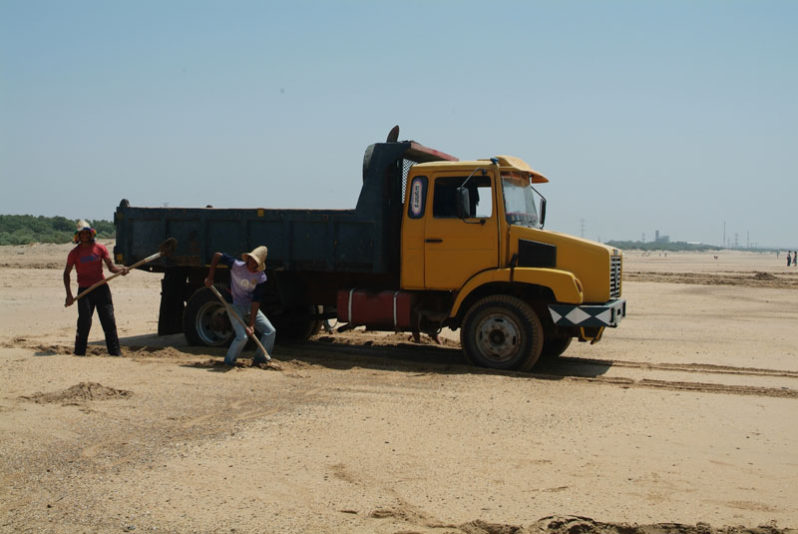
After a trip to the beach, you’re likely to return with sand in your hair, between your toes, underneath your fingernails. It might be difficult to believe that the world is running out of the stuff, but it is.
Intensifying winds could increase east Antarctica’s contribution to sea level rise
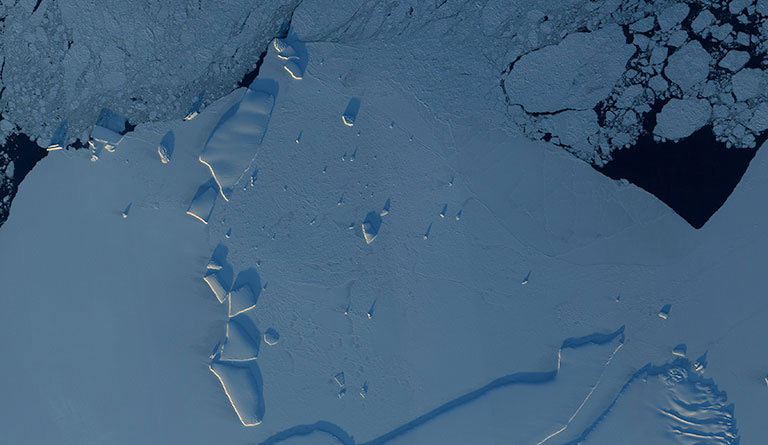
A new study led by the University of Texas Institute for Geophysics has found that wind over the ocean off the coast of East Antarctica causes warm, deep waters to upwell, circulate under Totten Glacier, the largest glacier in East Antarctica, and melt the fringes of the East Antarctic ice sheet from below.
South Florida, Out of Beach, Wants to Buy Sand from the Bahamas
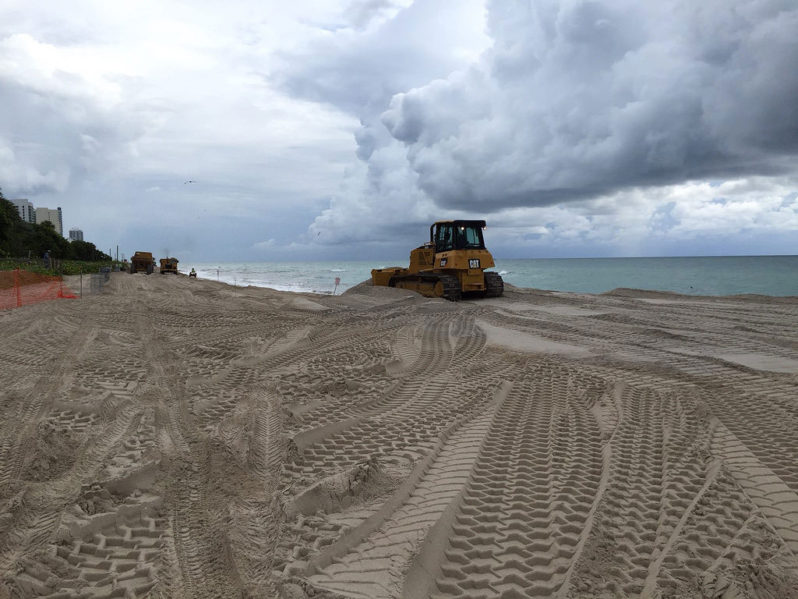
Miami-Dade County lost 170,000 cubic yards of sand during Hurricane Irma. It’s the latest blow to South Florida beaches in perennial decline. Nearly half the state’s coast—411 miles’ worth of beach—is considered “critically eroded.”
Ancient storms could have hurled huge boulders, scientists say – raising new concerns of rising seas

An international team of researchers has come up with a new theory to explain how two giant boulders could have made their way atop a cliff on the Bahamian island of Eleuthera. They suspect it has something to do with the Atlantic Ocean far below them.
New Federal Study: Dredging is harming more endangered fish
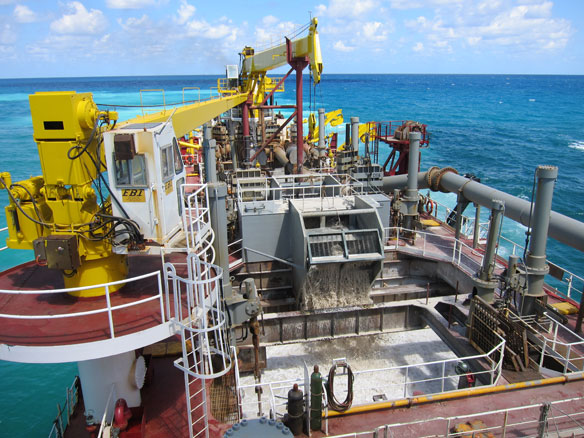
A study from the National Marine Fisheries Service says a few more endangered sturgeon and sea turtles have been killed as a result of the dredging in the Savannah River.
Malibu, CA: Broad Beach Sand Project Costs Jump to $55-60 Million Per Decade
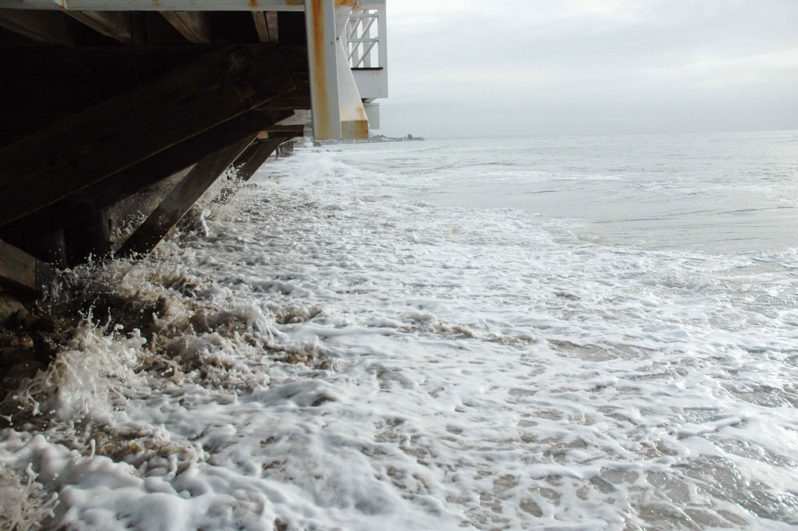
The Broad Beach Geologic Hazard Abatement District (GHAD) is now contending with another set of lawsuits over a project originally estimated to cost about $20 million, which is now estimated to cost $55 to $60 million every 10 years. The project will involve bringing in megatons of sand every few years to restore the disappearing beach and dunes.
How aquaculture is threatening the native fish species of Africa
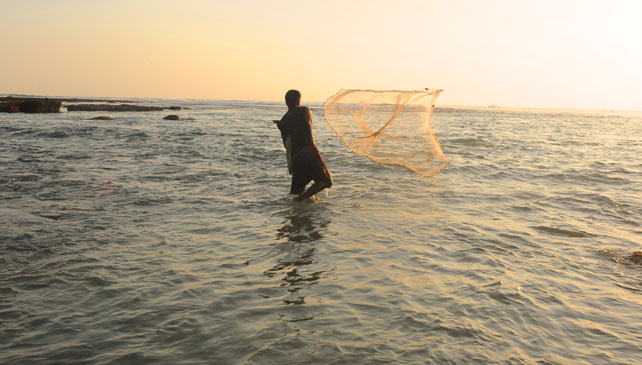
Africa has long looked to fish farming to help feed its burgeoning human population. But scientists are warning that a new aquaculture push is introducing invasive species that could devastate natural ecosystems.
How cities are defending themselves against sea level rise
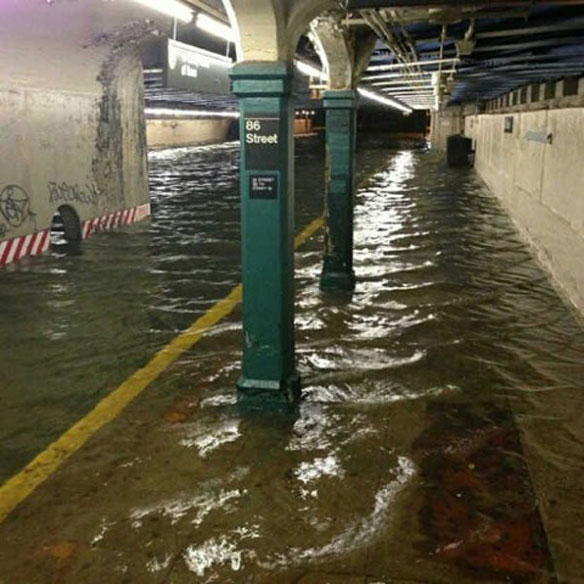
Superstorm Sandy and a series of lesser coastal storms since that 2012 disaster compelled some coastal communities to defend themselves by elevating homes and critical infrastructure, building sand dunes, widening beaches and erecting or raising sea walls. But as sea levels continue to rise around the world, that’s not an option in large cities.
In the Trump era, rising seas still a concern for Defense Department
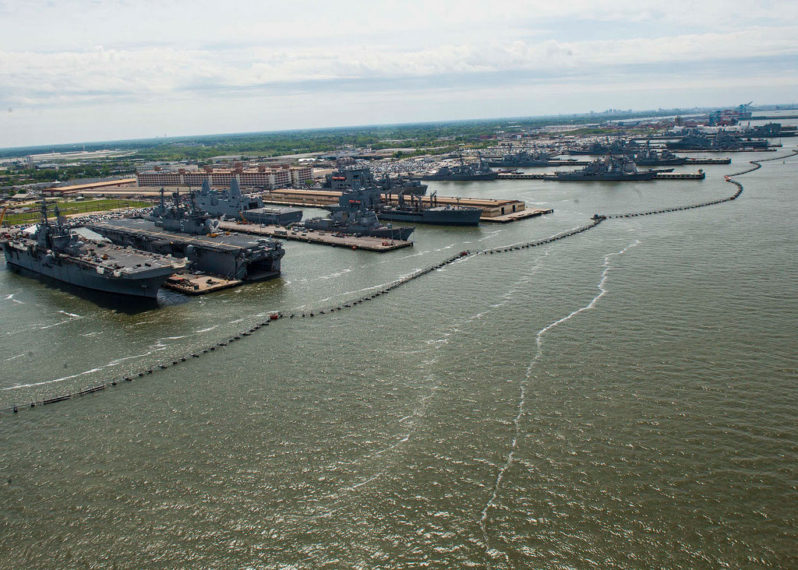
Climate scientists in the federal government have been on the defensive since President Donald Trump took office in January. But military leaders will continue to address the risks that climate change poses to bases and national security, a senior Pentagon official said at conference Friday on sea level rise.