
Trillions of Plastic Bits, Swept Up by Current, Are Littering Arctic Waters
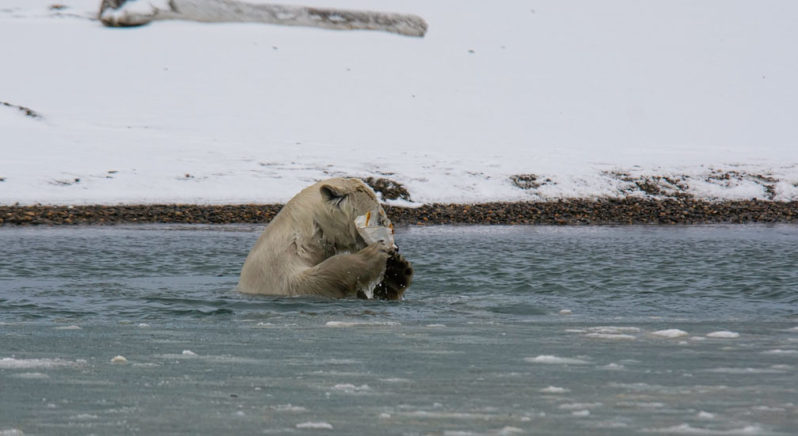
Pollution is now as dense in the northernmost ocean as it is in the Atlantic and Pacific..
7 Facts about plastic bags that will change how you use them
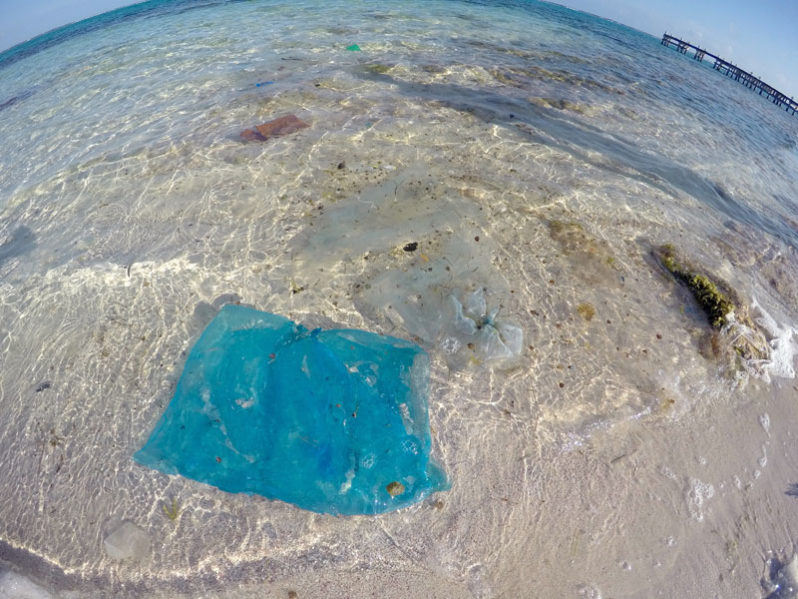
There’s no denying that plastic bags are bad for the environment. It’s well researched and well documented – and yet 160,000 plastic bags are still used every second around the world. This needs to change, so we’ve put together some facts that will change the way you (and your friends) use plastic bags (and hopefully stop you using them all together).
Gambia: Tourism and the Environment – Tribute to the ‘Unsung Heroes’ Context
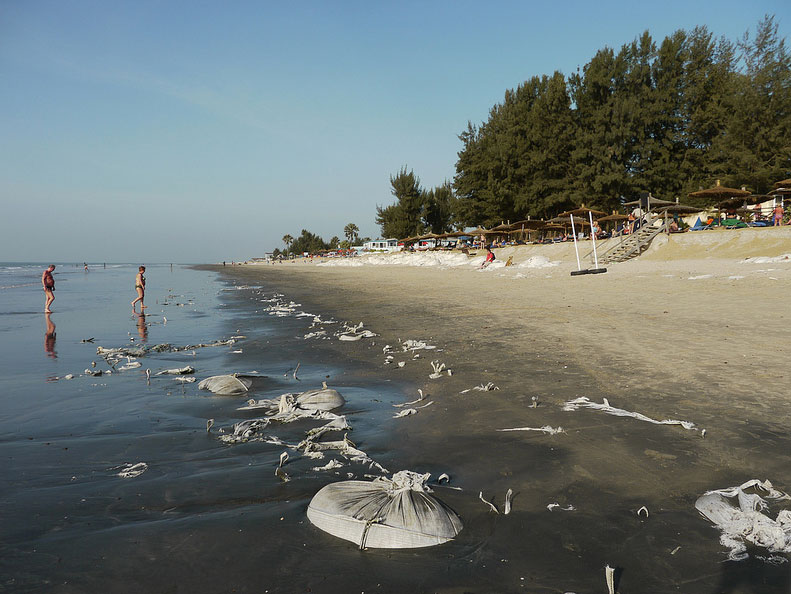
Gambia’s tourism industry was bedeviled with a range of menaces including – indiscriminate dumping and littering of our beaches, as well as debasing of our beaches through sand mining and related environmental malpractices to other areas frequented by our coveted guests and tourists. The need to tackle the environmental and sanitary challenges of tourism, head on, therefore became imperative.
Mesmerizing Video Of Hawaii Beach Sand Reveals Unsettling Reality
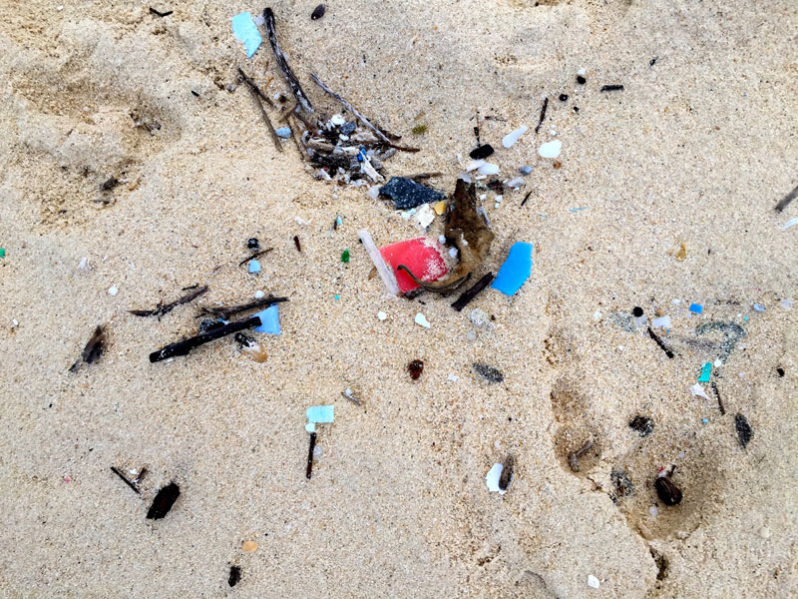
It’s easy to appreciate the beauty of a beach in Hawaii, with its electric blue waters lapping over a coast of golden sand. But hidden in plain sight is a devastating reality that nonprofit Sustainable Coastlines Hawaii captured in a video.
Plastic No More, Also in Kenya
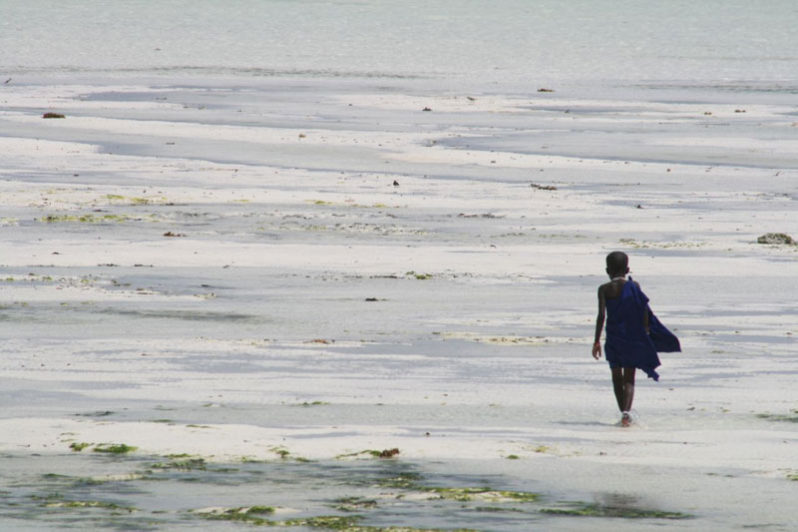
Kenya has just joined the commitment of other 10 countries to address major plastic pollution by decreeing a ban on the use, manufacture and import of all plastic bags, to take effect in six months.
Ridding the oceans of plastics by turning the waste into valuable fuel
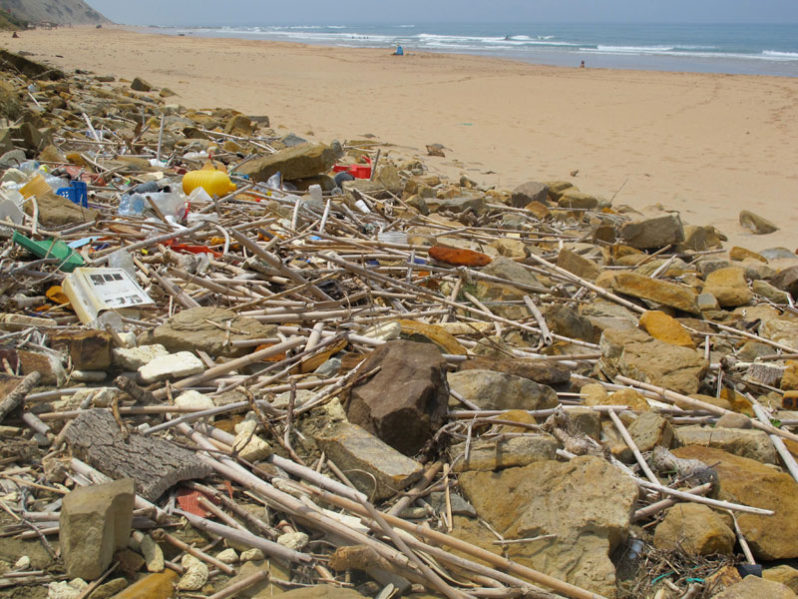
Billions of pounds of plastic waste are littering the world’s oceans. Now, an organic chemist and a sailboat captain report that they are developing a process to reuse certain plastics, transforming them from worthless trash into a valuable diesel fuel with a small mobile reactor that could operate on land or at sea.
Ganges and Yamuna rivers granted same legal rights as human beings
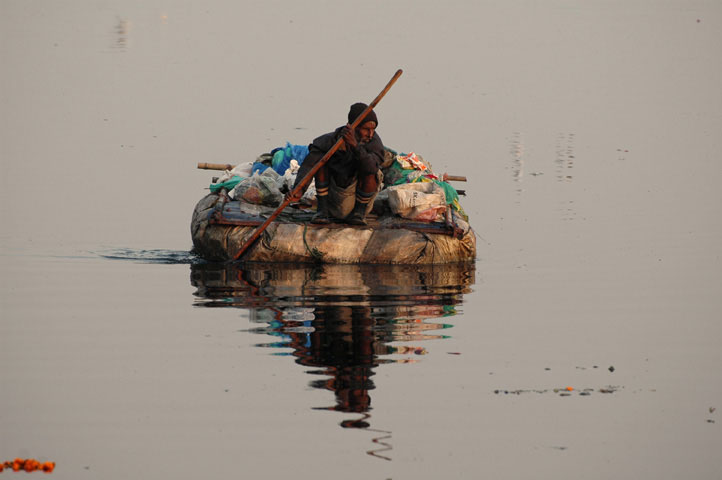
A court in the northern Indian state of Uttarakhand ordered on Monday that the Ganges and its main tributary, the Yamuna, be accorded the status of living human entities.
From entanglement to invasions of alien species: the harm caused by marine litter
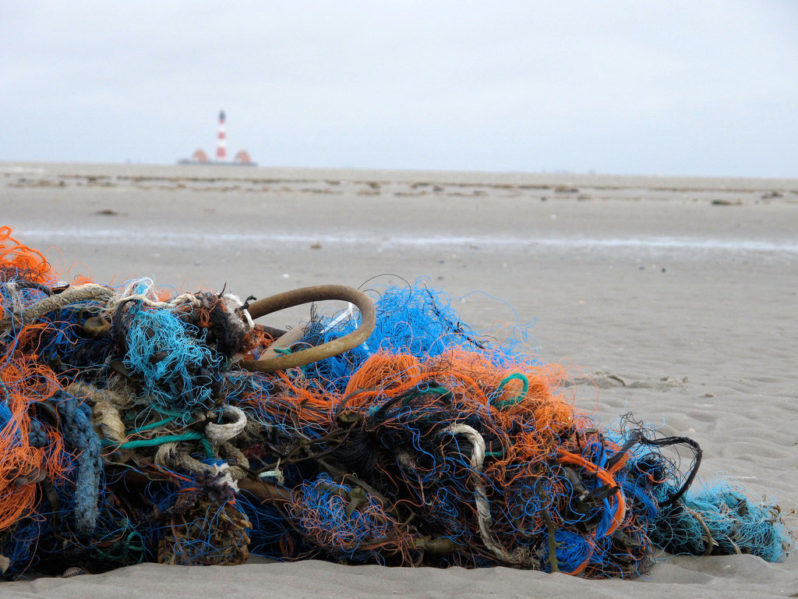
Marine litter is a threat to the marine ecosystem, human health and economic activities. A new European Commission Joint Research Centre (JRC) report sheds light on the many effects of litter in our oceans, and highlights the severity and scale of the issue. The report confirms that plastic items have the highest direct and indirect damaging impact.
What is the Great Pacific Ocean Garbage Patch?
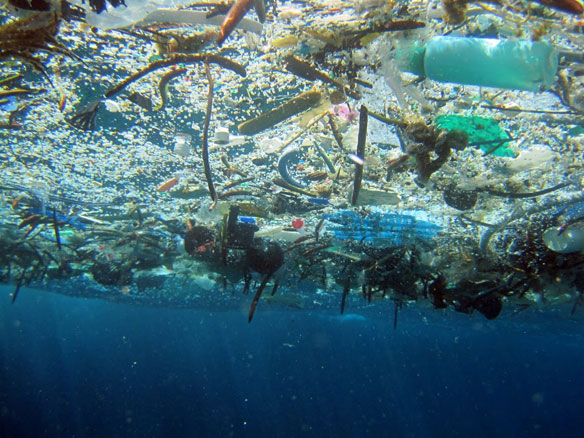
Not all trash ends up at the dump. A river, sewer or beach can’t catch everything the rain washes away, either. In fact, Earth’s largest landfill isn’t on land at all. This marine debris has sloshed into the public spotlight lately, thanks to growing media coverage as well as expeditions by scientists and explorers hoping to see plastic pollution in action.