
Sand mining: the global environmental crisis you’ve probably never heard of
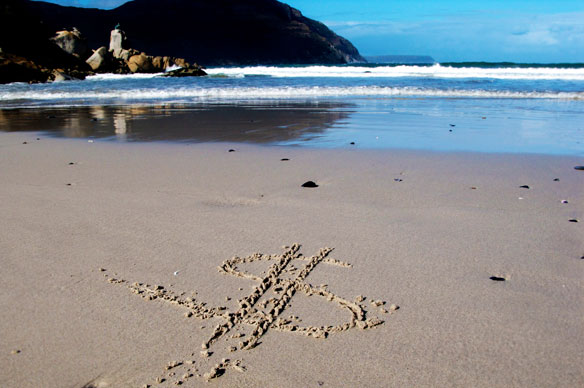
From Cambodia to California, industrial-scale sand mining is causing wildlife to die, local trade to wither and bridges to collapse. And booming urbanisation means the demand for this increasingly valuable resource is unlikely to let up.
“Rezoning” in Brazil Opens Endangered Atlantic Forest to Development
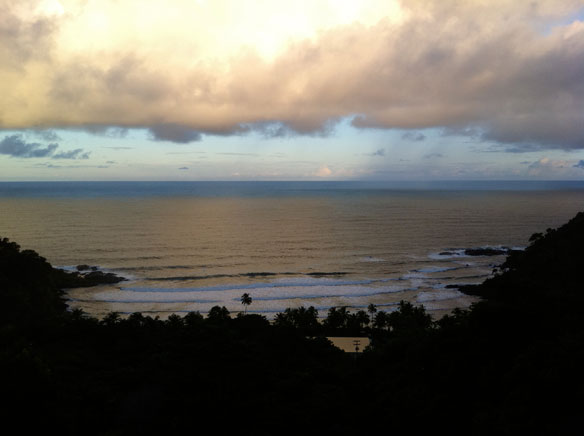
The already-vanishing Mata Atlântica, or Atlantic Forest, of southeastern Brazil is being prepared for auction under the government’s Ecological-Economic Zoning program. Previously protected costal lands are opened up for the construction of homes and businesses. Section of Ubatuba that borders Paraty, Rio de Janeiro is predicted to see an increase in construction of up to 50 percent.
Surveillance system, special squads to stop beach mineral mining; India
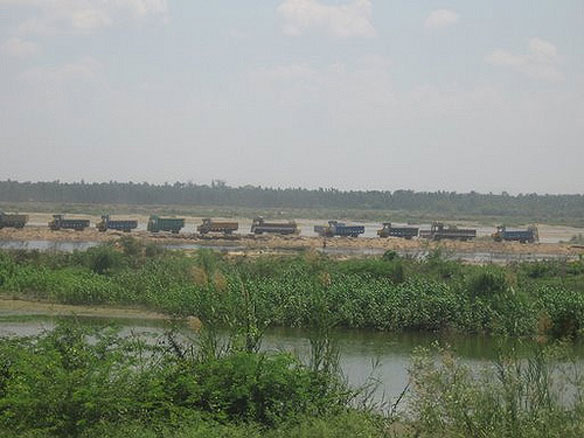
Deployment of sand mining surveillance system and patrol by special squads along coastal districts, especially those rich with major minerals, are some of the steps contemplated by Tamil Nadu government to prevent plunder of major minerals in the four southernmost coastal districts.
Caspian Sea: Largest Inland Body of Water
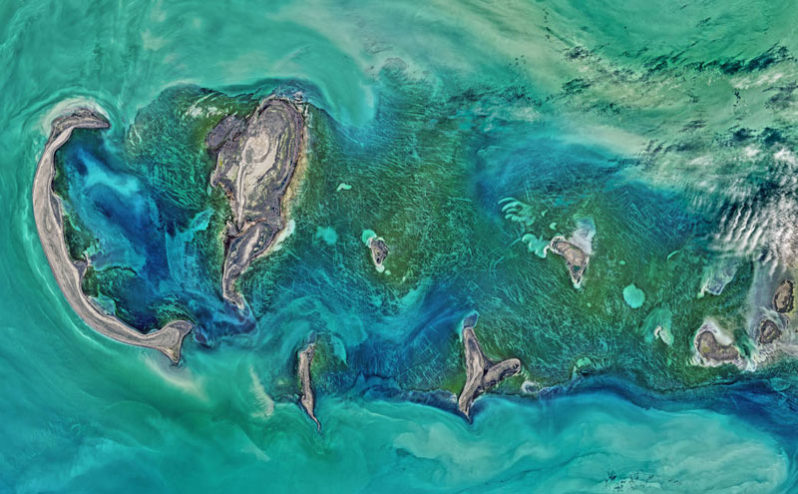
The Caspian Sea is the Earth’s largest inland body of water. Despite its name, it can be called either a lake or a sea. The question of whether it is a lake or a sea has political and economic ramifications. If the Caspian Sea is a lake, then the United Nations and international law have no control over its waters. If it is a sea, international organizations can have input on its use.
From forest to beach, North Carolina

The Outer Banks is moving. For at least 4,000 years it has been steadily creeping closer to the continental United States.
UN Declares War on Ocean Plastic

UN Environment launched today an unprecedented global campaign to eliminate major sources of marine litter: microplastics in cosmetics and the excessive, wasteful usage of single-use plastic by the year 2022.
Only 14% of plastics are recycled – can tech innovation tackle the rest?

The world recycles just 14% of the plastic packaging it uses. Even worse: 8m tons of plastic, much of it packaging, ends up in the oceans each year. 30% (by weight) of the plastic packaging isn’t recycled because the material is contaminated or too small for easy collection, has very low economic value or contains multiple materials that cannot be easily separated.
Plastic from tyres ‘major source’ of ocean pollution
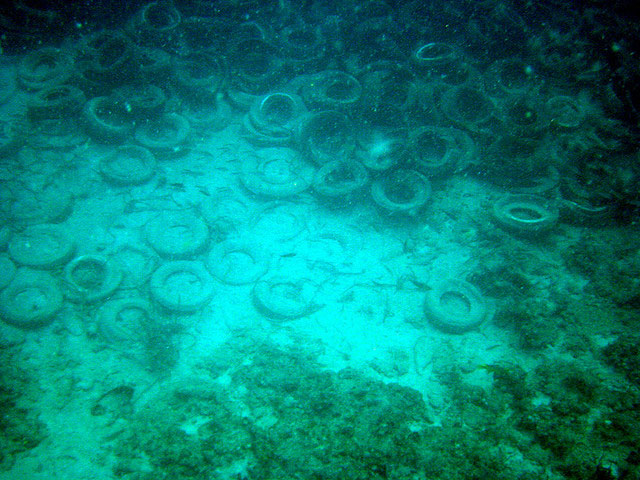
Microplastics from tyres and textiles are a bigger source of marine pollution than the breakdown of larger plastic waste in some areas, says the IUCN. The IUCN reviewed data from seven global regions to look at how much of the estimated 9.5 million tonnes of new plastic waste released into the oceans each year comes from primary microplastics.
How a Brewer is helping save NZ beaches by recycling used beer bottles back into sand
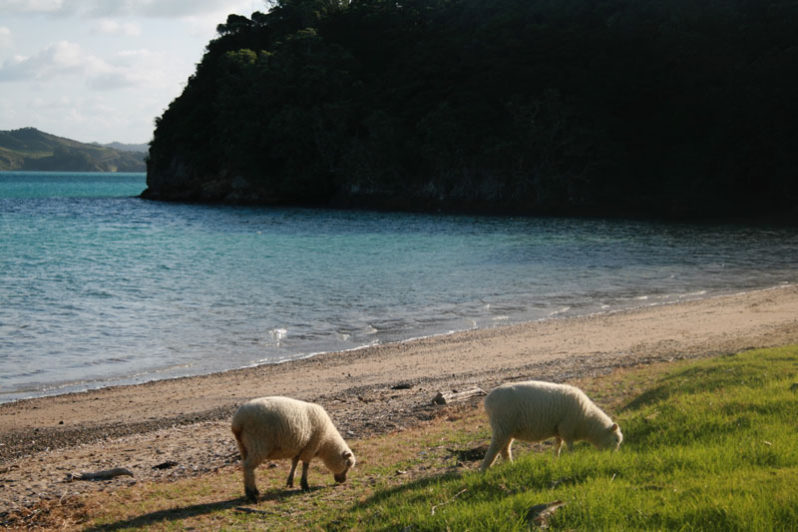
New Zealand beer brand DB Export is recycling its used bottles to make a man-made sand – an effort the company hopes will help preserve our beaches. The company hopes the programme will help cut down the amount of sand dredged from beaches. The average Kiwi consumer uses more than 200kg of sand each year, most of which comes from beaches. It’s a non-renewable resource and is also used to make glass.